
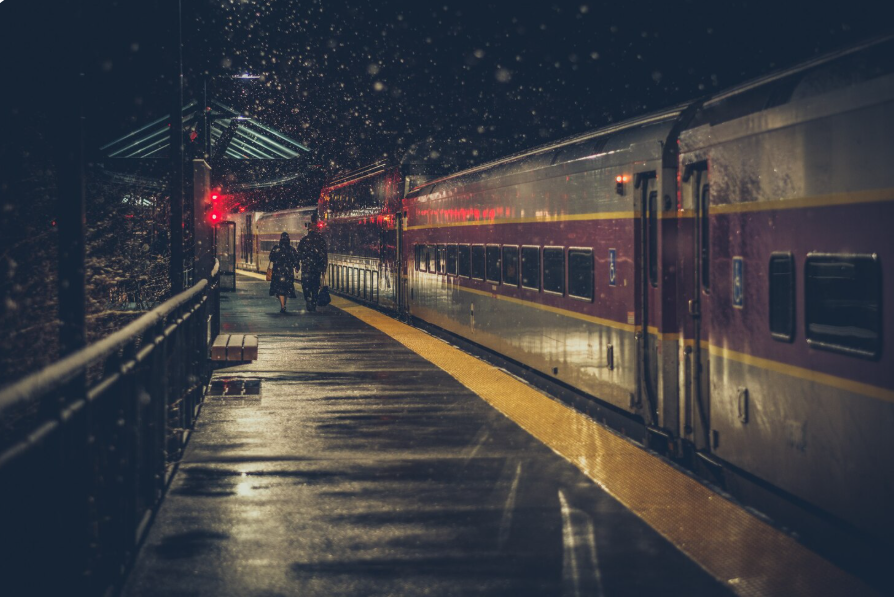
For years, night trains seemed like a fading memory from another era. Air travel became faster, budget airlines expanded, and high-speed trains changed the way people moved between major cities. Sleeper carriages, dining cars, and overnight rail journeys gradually disappeared from many routes.
Now, however, night trains are returning.
Across Europe and other parts of the world, travelers are once again showing interest in overnight rail travel. New sleeper routes are being introduced, older services are being upgraded, and passengers are rediscovering the pleasure of falling asleep in one city and waking up in another.
The comeback is about more than transportation. Night trains offer something that modern travel often lacks: atmosphere, patience, scenery, and a sense of adventure.
Why Night Trains Are Becoming Popular Again
One reason for the renewed interest in sleeper trains is the growing desire for slower and more meaningful travel.
Flying may be efficient, but the experience often involves crowded airports, long security lines, baggage restrictions, and transfers far outside city centers. Train stations, by contrast, are frequently located in the heart of cities.
A traveler can board a train in the evening, settle into a cabin, sleep during the journey, and arrive at the destination the following morning.
This makes overnight rail surprisingly practical.
Instead of spending valuable daytime hours traveling, passengers can use the night for transportation while also saving the cost of a hotel room.
The Romance of Traveling by Rail
There is something naturally romantic about traveling through the night by train.
The gentle movement of the carriage, the sound of the wheels passing over the tracks, and the changing landscapes outside the window create an experience that feels very different from flying.
Passengers may watch city lights disappear into the countryside before going to sleep. In the morning, they might wake to mountain valleys, farmland, forests, or another country’s skyline.
The journey itself becomes part of the holiday.
Classic rail travel has long been associated with famous novels, films, and historic journeys. Modern night trains may offer Wi-Fi, private bathrooms, and digital booking, but the basic experience still carries some of that old-fashioned charm.
A More Comfortable Way to Travel
Today’s sleeper trains are often more comfortable than many travelers expect.
Depending on the service, passengers may choose between regular seats, couchettes, shared sleeping compartments, and private cabins.
Basic couchettes typically provide simple beds for several passengers, while premium cabins may include hotel-style bedding, private toilets, showers, breakfast, and additional luggage space.
Couples can book private compartments, families can reserve larger cabins, and solo travelers may choose between shared and private options.
Some operators are also introducing modern train designs with improved sound insulation, better climate control, charging points, wireless internet, and redesigned sleeping areas.
These improvements are helping night trains appeal to travelers who want both nostalgia and modern convenience.
Environmental Concerns Are Supporting the Comeback
Environmental awareness is another major reason rail travel is attracting attention.
Transportation contributes significantly to global carbon emissions, and many travelers are looking for alternatives to short-distance flights.
Electric rail networks can offer a lower-emission transportation option, particularly on routes where electricity comes from relatively low-carbon sources.
For environmentally conscious travelers, choosing an overnight train can therefore provide a practical way to reduce the environmental footprint of a journey.
Several European countries have also discussed policies encouraging rail travel as an alternative to short flights where suitable train connections exist.
This combination of consumer demand, infrastructure investment, and environmental policy has helped create favorable conditions for night trains.
Europe Is Leading the Revival
Europe has become one of the most visible centers of the night train revival.
Major cities are increasingly being connected through overnight routes. Travelers can find sleeper services linking destinations across Austria, Germany, France, Italy, Switzerland, the Netherlands, Sweden, Croatia, Hungary, Poland, and other countries.
The Austrian railway operator ÖBB has played an especially important role through its Nightjet network, which connects numerous European cities.
Other national railway companies and private operators have also entered the market, creating new opportunities for overnight travel.
Some routes allow passengers to leave one country’s capital in the evening and wake up hundreds of kilometers away in another country the following morning.
For travelers planning multi-city European trips, these routes can make rail journeys both adventurous and efficient.
Night Trains Turn Transportation Into an Experience
Modern tourism often treats transportation as something that needs to be completed as quickly as possible.
Night trains offer a different philosophy.
Instead of simply moving between destinations, passengers experience the distance between them.
A journey from one city to another may pass through small towns, rivers, mountains, industrial areas, forests, and countryside that airline passengers would never see.
Even when much of the journey happens after dark, there is still something satisfying about understanding how places are geographically connected.
This sense of movement makes travel feel more tangible.
A Great Option for Slow Travelers
The night train revival also fits perfectly with the growing slow-travel movement.
Slow travel encourages people to spend more time experiencing destinations rather than rushing through long lists of attractions.
Railways naturally support this style of travel.
Instead of flying between multiple destinations, travelers can create itineraries based around railway networks. A journey might include several cities connected by daytime scenic trains and overnight sleeper services.
This style of travel can feel calmer and more immersive.
Passengers may also interact more naturally with other travelers, railway staff, and local communities along the route.
Is Night Train Travel Always Cheaper?
Not necessarily.
Night train prices vary significantly depending on the route, season, cabin type, and how early the ticket is booked.
A simple seat or shared couchette may be inexpensive, while private sleeper cabins can sometimes cost as much as premium airline tickets.
However, travelers should compare the total cost of the journey rather than only the ticket price.
For example, an overnight train may replace both a flight and a hotel night. It may also eliminate airport transfer expenses.
When these factors are considered, the price difference can become much smaller.
Booking early usually provides the best selection of cabins and lower fares.
The Challenges Facing Night Trains
Despite their growing popularity, sleeper trains still face several challenges.
Rail networks often cross national borders, which means operators must coordinate different railway systems, regulations, schedules, and infrastructure.
Night trains also require specialized carriages with sleeping facilities, making them more expensive to operate than standard passenger trains.
Delays can be another concern, especially on long international routes.
Additionally, not every city has convenient overnight connections.
The future of night trains will therefore depend on continued investment, international cooperation, and consistent passenger demand.
The Future of Overnight Rail Travel
The return of night trains suggests that travelers are becoming more interested in the quality of the journey rather than simply the speed of arrival.
Future sleeper trains may combine classic railway charm with increasingly modern technology.
Passengers could see improved booking systems, flexible private cabins, better accessibility, stronger Wi-Fi connections, digital room controls, upgraded dining options, and more luxurious sleeping environments.
New international routes may also make it possible to travel across large parts of a continent without boarding an airplane.
Rail travel will probably not replace aviation completely, especially for very long distances. However, for journeys between nearby countries and major cities, night trains could become an increasingly attractive alternative.
Conclusion
Night trains represent something unusual in modern transportation: a return to an older idea that suddenly feels new again.
They allow travelers to move efficiently while still enjoying the experience of the journey. Passengers can watch landscapes change, sleep while covering hundreds of kilometers, and wake up directly in the heart of a new destination.
The revival is driven by several factors, including environmental awareness, improved railway services, slow-travel trends, and a renewed appreciation for experiences that feel less rushed.
In a world focused on speed, overnight rail offers a refreshing alternative.
Sometimes the most memorable way to reach a destination is not the fastest route, but the one that allows the journey itself to become part of the story.
Read More : Slow Travel: Why Staying Longer Is Better Than Seeing More
Conversation