
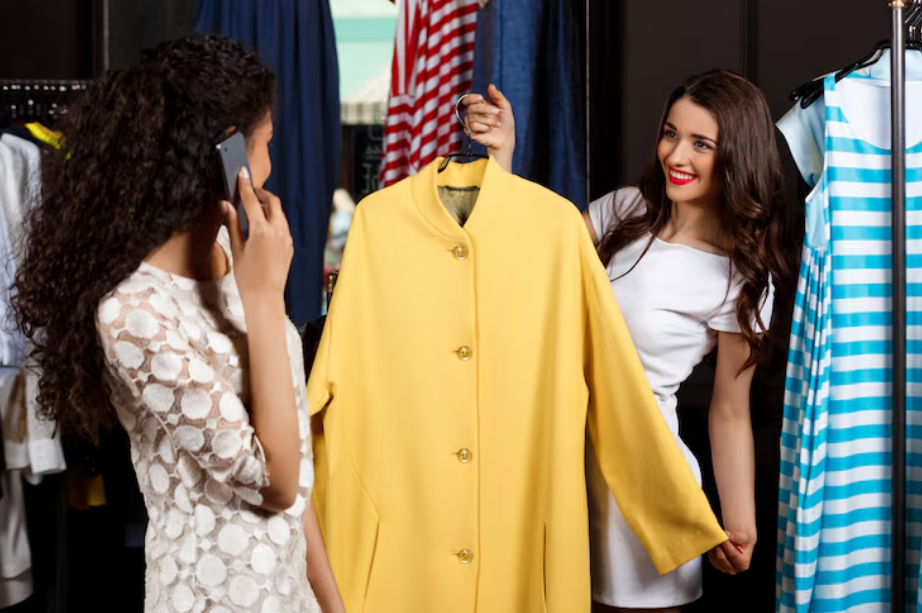
Clothing does more than protect us from the weather or help us follow fashion trends. What we wear can communicate personality, mood, confidence, and even intention before we say a single word. Among all the elements of an outfit, color is one of the most powerful.
Color psychology explores how different colors may influence emotions, perceptions, and behavior. In fashion, those associations can affect both how people feel in their clothes and how others interpret their appearance. While personal experiences and cultural backgrounds can change the meaning of a color, certain shades often create recognizable impressions.
Understanding color psychology can therefore help you choose outfits more intentionally, whether you are dressing for work, a social event, a date, or simply trying to express your personality.
Why Color Matters in Fashion
When someone sees an outfit, color is often one of the first details they notice. Before they examine the fabric, brand, or accessories, the overall color palette can create an immediate emotional response.
Bright colors may attract attention, while neutral shades can appear calm and sophisticated. Dark colors often create a stronger or more formal impression, whereas lighter tones may feel approachable and relaxed.
This does not mean that people consciously analyze every color they see. Much of the reaction happens naturally. That is why choosing the right color can subtly influence the atmosphere you create around yourself.
Red: Confidence, Energy, and Attention
Red is one of the most noticeable colors in fashion. It is commonly associated with energy, passion, confidence, excitement, and strength.
A red dress, jacket, tie, or pair of shoes can immediately become the focal point of an outfit. People who wear red may appear bold and expressive, especially when the color is used prominently.
However, red does not always have to dominate an outfit. A small red accessory can create visual interest without making the overall look feel intense.
For occasions where you want to stand out, red can be an effective choice.
Blue: Calmness, Trust, and Reliability
Blue is often associated with calmness, stability, trust, and professionalism. This may explain why different shades of blue are frequently used in workplace clothing and business environments.
Navy blue can create a polished and dependable appearance, making it suitable for interviews, presentations, and formal meetings.
Lighter blues tend to feel softer and more approachable. They can work well in casual outfits, warm-weather clothing, and relaxed professional settings.
Because blue is generally versatile, it can communicate confidence without appearing overly aggressive.
Black: Power, Elegance, and Mystery
Black has long been one of the most important colors in fashion. It is often linked with elegance, authority, sophistication, and mystery.
A black suit or dress can create a polished and formal appearance, while black casual clothing may produce a modern, minimalist aesthetic.
Another reason for black’s popularity is its versatility. It pairs easily with almost every other color and works across many styles.
At the same time, an entirely black outfit can sometimes appear serious or distant. Adding texture, jewelry, or another shade can soften the overall impression.
White: Simplicity, Freshness, and Cleanliness
White is commonly associated with simplicity, cleanliness, freshness, and openness.
In fashion, white clothing can create a light and refined look. A crisp white shirt, for example, often communicates professionalism while remaining simple.
White is particularly popular during warmer seasons because it creates a bright, airy appearance. It can also serve as a neutral foundation for colorful accessories.
However, the impression created by white may vary depending on styling. A structured white blazer can look formal, while a loose white T-shirt feels casual and relaxed.
Yellow: Optimism and Creativity
Yellow is a cheerful color commonly linked with happiness, optimism, creativity, and energy.
Because yellow naturally attracts attention, it can make an outfit feel lively and expressive. People who enjoy colorful fashion may use yellow to communicate enthusiasm or individuality.
Bright yellow can be powerful, while softer shades such as mustard, butter yellow, or pale gold offer a more subtle effect.
If wearing a full yellow outfit feels overwhelming, accessories such as scarves, bags, or shoes can introduce the color gradually.
Green: Balance, Nature, and Renewal
Green often represents nature, growth, balance, and renewal. Depending on the shade, it can create very different impressions.
Olive and forest green may feel grounded and sophisticated, while emerald green can appear luxurious and confident. Lighter greens may communicate freshness and relaxation.
Green also works well with neutral shades such as beige, brown, white, and black, making it relatively easy to incorporate into everyday wardrobes.
Purple: Creativity, Luxury, and Individuality
Historically associated with royalty and luxury, purple continues to carry a sense of creativity, uniqueness, and sophistication.
Dark purple can feel dramatic and elegant, while lavender and lilac create softer, more romantic impressions.
Purple can be particularly effective for people who want an outfit that feels distinctive without relying on extremely bright colors.
Because it is less common than black, blue, or gray, even a small amount of purple can make an outfit memorable.
Pink: Warmth, Playfulness, and Confidence
Pink is often associated with warmth, affection, playfulness, and softness. Modern fashion, however, has expanded the way pink is used.
Bright pink can communicate confidence and energy, while blush or pastel pink creates a more understated appearance.
Pink is also increasingly worn across different styles and genders, making it a flexible color rather than one tied to a single traditional meaning.
Pairing pink with gray, black, navy, or white can create a balanced and contemporary outfit.
Orange: Enthusiasm and Adventure
Orange combines some of the energy of red with the optimism of yellow. It is commonly associated with enthusiasm, warmth, creativity, and adventure.
Because orange is visually strong, it can make someone appear outgoing and energetic.
Rust, terracotta, and burnt orange offer more subtle alternatives to brighter shades and work particularly well in autumn wardrobes.
Orange accessories can also bring energy to otherwise neutral outfits.
Neutral Colors: Understated Confidence
Beige, cream, gray, brown, and similar neutral tones are essential parts of many wardrobes.
These colors often communicate simplicity, maturity, calmness, and practicality. Neutral outfits can appear luxurious when different fabrics and textures are layered together.
For example, combining cream knitwear with beige trousers and brown accessories can produce a polished look without using bright colors.
Gray is especially useful in professional clothing because it feels balanced and understated.
How Color Can Influence Your Own Mood
Fashion psychology is not only about how others see you. Clothing can also influence how you feel about yourself.
Wearing a favorite color may increase confidence or improve your mood. Someone who normally wears neutral clothing might feel more energetic after adding a bright jacket or colorful accessory.
Likewise, darker colors may help some people feel more powerful or focused.
Personal preference remains extremely important. A color traditionally associated with confidence will not necessarily make someone feel confident if they dislike wearing it.
The strongest effect often comes from choosing colors that make you feel comfortable and authentic.
Context Changes the Meaning of Color
Color psychology is not universal.
Culture, personal experiences, fashion trends, age, and surroundings can all change how a color is interpreted. White, for example, may represent purity or celebration in some settings while carrying different meanings elsewhere.
The design of the clothing also matters. A bright red sports jacket communicates something very different from a red evening gown.
Therefore, color should always be considered together with the style, occasion, fabric, and overall outfit.
Using Color Psychology in Everyday Dressing
You do not need to completely redesign your wardrobe to use color psychology.
Start by considering the impression you want to create. If you want to appear professional, navy, gray, white, and black may work well. If you want to appear energetic or creative, brighter colors such as red, orange, yellow, or purple can add personality.
You can also use color strategically through accessories. Bags, shoes, scarves, watches, jewelry, or even socks can introduce meaningful color without dominating your appearance.
Eventually, you may discover a personal palette that reflects both your personality and lifestyle.
Final Thoughts
Fashion begins communicating before a conversation starts, and color plays a major role in that silent message. Different shades can suggest confidence, calmness, creativity, elegance, warmth, or energy depending on how they are styled.
Still, color psychology should be treated as a guide rather than a strict set of rules. Personal preference, culture, occasion, and individual style all influence how clothing is perceived.
The most effective outfit is ultimately one that supports the message you want to communicate while making you feel comfortable and confident. By understanding the psychology behind color, you can make wardrobe choices that express who you are before you even say hello.
Read more : Night Trains Are Back: The Romantic Return of Rail Travel