
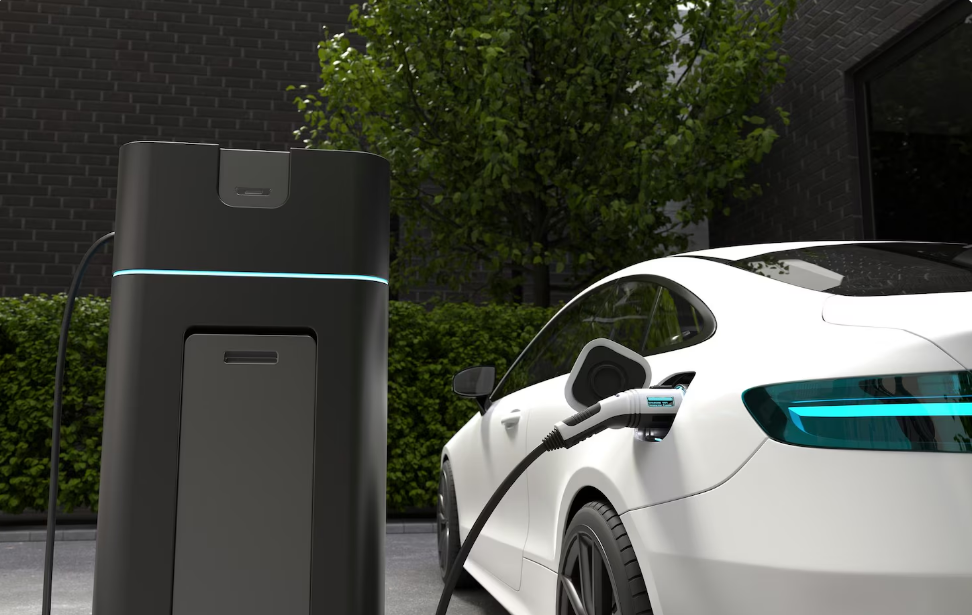
Electric vehicles have become one of the biggest symbols of the transition toward cleaner transportation. Battery-powered cars are appearing on roads around the world, supported by growing charging networks and improvements in battery technology. However, batteries are not the only way to power vehicles without relying directly on gasoline or diesel. Hydrogen fuel cells offer another approach that continues to attract interest from automakers, governments, and energy companies.
Although hydrogen vehicles receive far less attention than battery electric cars, they have several advantages that could make them valuable in certain parts of the transportation industry.
How Hydrogen Fuel Cell Vehicles Work
Hydrogen fuel cell vehicles are technically electric vehicles because their wheels are powered by electric motors. The major difference is how the electricity is produced.
Instead of storing large amounts of electricity inside a battery, a fuel cell vehicle carries compressed hydrogen in specialized tanks. The hydrogen enters a fuel cell, where it reacts electrochemically with oxygen from the surrounding air.
This reaction produces electricity that powers the vehicle’s electric motor. The main byproducts are water and heat rather than traditional exhaust gases.
Many hydrogen cars also contain a small battery that stores energy recovered during braking. However, the fuel cell remains the primary source of electricity while the vehicle is operating.
Faster Refueling
One of the strongest advantages of hydrogen-powered vehicles is refueling speed.
Charging a battery electric vehicle can take anywhere from several minutes to many hours depending on the charger, battery size, temperature, and vehicle. Hydrogen vehicles can generally be refueled more like conventional gasoline cars.
A driver pulls into a hydrogen station, connects the dispenser, fills the tank, and continues the journey.
This convenience could be particularly valuable for vehicles that travel long distances or cannot afford extended periods of downtime.
Commercial fleets, taxis, delivery vehicles, trucks, and buses may benefit from technologies that allow vehicles to return to operation quickly.
Longer Driving Range Potential
Hydrogen also has attractive characteristics for long-distance transportation.
Large batteries add significant weight to a vehicle. For passenger cars, manufacturers can often manage this weight effectively. However, the challenge becomes greater for heavy trucks and commercial vehicles that must carry large payloads over long distances.
Hydrogen contains a high amount of energy relative to its mass. Fuel cell systems may therefore provide long driving ranges without requiring extremely large battery packs.
This is one reason hydrogen continues to receive attention in heavy-duty transportation even as battery electric cars dominate discussions about everyday passenger vehicles.
Zero Tailpipe Carbon Emissions
Fuel cell vehicles do not release carbon dioxide from their tailpipes during normal operation.
Instead, the fuel cell combines hydrogen with oxygen to produce electricity, with water being the primary exhaust product.
However, the overall environmental impact depends heavily on how the hydrogen itself is produced.
Much of the world’s hydrogen has traditionally been produced using fossil fuels, particularly natural gas. This process can generate substantial carbon emissions.
Hydrogen produced using renewable electricity through water electrolysis can have a much lower carbon footprint. This approach is often referred to as green hydrogen.
Therefore, the environmental potential of hydrogen transportation depends not only on the vehicle but also on the energy system supporting it.
The Infrastructure Problem
The biggest challenge facing hydrogen cars is not necessarily the vehicle technology itself. It is infrastructure.
Public electric charging stations have expanded rapidly in many countries, and electric vehicles can also be charged at homes, offices, hotels, and shopping centers.
Hydrogen vehicles require specialized fueling stations capable of storing and dispensing compressed hydrogen safely.
Building these facilities can be expensive. At the same time, companies may hesitate to build hydrogen stations when relatively few hydrogen vehicles are on the road.
Consumers, meanwhile, may hesitate to purchase hydrogen cars because there are not enough stations.
This creates a classic infrastructure challenge: more vehicles are needed to justify more stations, while more stations are needed to encourage people to buy vehicles.
Hydrogen Storage and Transportation
Hydrogen is also difficult to handle compared with conventional fuels.
Although hydrogen is extremely light, it has relatively low energy density by volume. To carry enough hydrogen for a practical driving range, vehicles usually store it under very high pressure.
Specialized tanks, pumps, pipelines, and transportation systems are therefore required.
Hydrogen can also be produced near the location where it is needed, which could reduce transportation requirements in some situations. Developing an efficient hydrogen supply network, however, remains a major technical and economic challenge.
Battery Electric vs. Hydrogen Fuel Cell Cars
Battery electric and hydrogen vehicles are sometimes presented as competitors, but the future may involve both technologies serving different purposes.
Battery electric vehicles are particularly attractive for passenger cars, urban transportation, and daily commuting. Many drivers can recharge their vehicles overnight at home, making battery technology practical and convenient.
Hydrogen could become more useful where vehicles require long ranges, rapid refueling, or continuous operation.
Heavy trucks, buses, industrial equipment, ships, and certain commercial fleets could potentially benefit from hydrogen systems.
Rather than completely replacing battery vehicles, hydrogen may complement them.
Hydrogen Could Support Renewable Energy
Hydrogen also has potential beyond transportation.
Solar panels and wind turbines sometimes generate more electricity than the power grid immediately needs. Instead of wasting that energy, excess electricity could potentially be used to produce hydrogen through electrolysis.
The hydrogen could then be stored and used later for transportation, electricity generation, industrial processes, or heating.
In this way, hydrogen could function as a form of energy storage connecting renewable electricity with industries that are difficult to electrify directly.
However, converting electricity into hydrogen and then back into electricity involves energy losses. Direct battery use is therefore often more energy-efficient when it is practical.
Why Hydrogen Cars Have Not Become Mainstream
Several factors have slowed the adoption of hydrogen passenger vehicles.
Fueling infrastructure remains limited, hydrogen production can be expensive, and producing truly low-carbon hydrogen requires large amounts of renewable electricity.
Battery technology has also improved rapidly. Electric cars now offer better driving ranges, faster charging, and increasingly widespread charging infrastructure.
These developments have made battery electric vehicles the dominant zero-emission option for many consumers.
Yet the slower growth of hydrogen passenger cars does not necessarily mean the technology has no future.
Its strongest opportunities may simply exist in different areas of transportation.
The Future of Hydrogen Transportation
Hydrogen fuel cells will likely continue to develop alongside batteries rather than replace them entirely.
Improvements in renewable energy, hydrogen production, storage technologies, and fuel cell efficiency could make hydrogen more affordable over time.
Governments and industries are also exploring large-scale hydrogen projects designed to support trucking, shipping, aviation fuels, manufacturing, and energy storage.
Passenger cars may represent only one small part of this emerging hydrogen economy.
Conclusion
Hydrogen fuel cells offer an interesting alternative within the transition toward cleaner transportation. They provide fast refueling, potentially long driving ranges, and zero tailpipe carbon emissions while still using efficient electric motors.
However, limited fueling infrastructure, expensive hydrogen production, energy efficiency concerns, and strong competition from battery vehicles remain significant obstacles.
The future of transportation may not depend on choosing one technology over another. Battery electric vehicles may dominate everyday passenger transportation, while hydrogen could prove valuable for heavy-duty vehicles and industries where batteries are less practical.
Hydrogen may therefore remain overlooked today, but it could still play an important role in creating a more diverse and lower-carbon transportation system.
Read more : Bug Bounty Programs: Getting Paid to Hack Ethically