
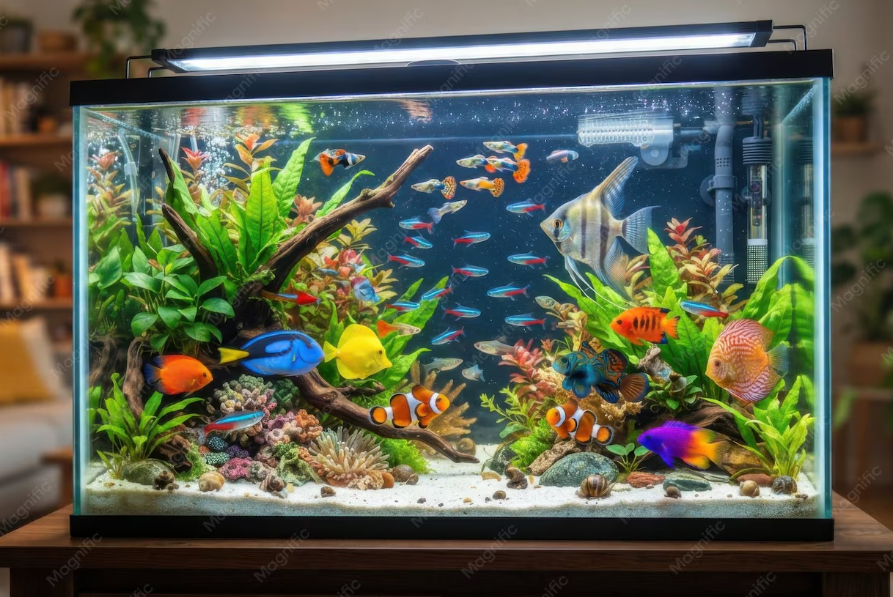
Setting up an aquarium can be one of the most relaxing and rewarding hobbies for beginners. A well-maintained fish tank adds beauty to a home while also creating a peaceful environment where you can observe colorful fish and fascinating aquatic life.
However, keeping fish healthy involves more than simply filling a tank with water and adding fish. Proper preparation, suitable equipment, stable water conditions, and regular maintenance are essential.
This beginner-friendly guide explains the important steps for creating a safe and comfortable aquarium where your fish can thrive.
Choose the Right Aquarium Size
One of the first decisions is choosing the size of your aquarium. Beginners sometimes assume that a very small tank will be easier to maintain, but larger aquariums can actually be more stable.
A tank between 20 and 30 gallons can be a good starting point for many beginners. Larger volumes of water are less affected by sudden changes in temperature, ammonia, or pH.
Before purchasing a tank, consider:
- The type of fish you want
- The adult size of the fish
- How many fish you plan to keep
- Available space in your home
- The weight of a filled aquarium
Aquariums become extremely heavy once filled with water, gravel, decorations, and equipment. Always place the tank on a strong and level surface designed to support its weight.
Select a Good Location
Where you place your aquarium can affect both maintenance and fish health.
Choose an area that is away from direct sunlight. Excessive sunlight may encourage algae growth and cause temperature fluctuations.
The aquarium should also be located away from heating vents, air conditioners, doors, and other areas where temperatures change frequently.
Make sure there is an electrical outlet nearby for equipment such as the filter, heater, and lighting system.
You should also leave enough space around the tank so that cleaning and equipment maintenance are convenient.
Install a Reliable Filtration System
A filter is one of the most important pieces of aquarium equipment.
Fish produce waste, and leftover food or decaying plant material can pollute the water. A filtration system helps remove debris while supporting beneficial bacteria that break down harmful waste compounds.
Aquarium filtration usually involves three processes:
Mechanical filtration removes particles and debris from the water.
Biological filtration provides a surface where beneficial bacteria can grow.
Chemical filtration may use materials such as activated carbon to remove certain impurities.
Choose a filter designed for your aquarium size. In many cases, selecting a filter rated slightly above your tank’s capacity can provide better water circulation.
Add the Substrate
The material placed on the bottom of the aquarium is called the substrate.
Common choices include:
- Gravel
- Aquarium sand
- Specialized planted-tank substrate
Before adding gravel or sand, rinse it thoroughly with clean water to remove dust and loose particles.
The substrate does more than improve appearance. It also provides space for beneficial bacteria and can support live aquatic plants.
Avoid using decorative stones or materials that have not been confirmed as aquarium-safe.
Add Decorations and Hiding Places
Fish often feel safer when they have places to hide and explore.
You can decorate the aquarium with:
- Rocks
- Driftwood
- Artificial plants
- Live aquatic plants
- Caves
- Aquarium ornaments
Make sure every decoration is designed or approved for aquarium use. Objects with sharp edges may injure fish.
Try to create an attractive environment while leaving enough open space for swimming.
Hiding places are particularly useful for shy fish because they can reduce stress and encourage more natural behavior.
Install a Heater if Necessary
Many popular aquarium fish are tropical species that require warm and stable water temperatures.
Depending on the species, tropical freshwater fish commonly prefer water temperatures somewhere around 24-27°C, although specific requirements vary.
A reliable aquarium heater helps maintain a stable temperature.
You should also use a thermometer to monitor the water regularly.
Avoid sudden temperature changes because they may stress fish and weaken their immune systems.
Fill the Aquarium Safely
Once the substrate, decorations, filter, and heater are properly positioned, you can begin filling the aquarium.
If you use tap water, it will usually need to be treated with an aquarium water conditioner.
Tap water may contain chlorine or chloramine that is safe for humans but harmful to fish and beneficial bacteria.
Follow the instructions provided with the water conditioner carefully.
When filling the aquarium, pour water slowly so you do not disturb the substrate or decorations.
Understand the Aquarium Nitrogen Cycle
One of the most important concepts every beginner should understand is the nitrogen cycle.
Fish waste releases ammonia into the water. Ammonia can be extremely harmful to fish.
Beneficial bacteria gradually develop in the aquarium and convert ammonia into nitrite. Another group of bacteria converts nitrite into nitrate.
Nitrate is generally less harmful when maintained at suitable levels through water changes and plant growth.
This biological process is known as aquarium cycling.
A new aquarium should ideally complete its cycling process before being heavily stocked with fish.
Using an aquarium test kit allows you to monitor important water parameters such as:
- Ammonia
- Nitrite
- Nitrate
- pH
Cycling may take several weeks, so patience is important.
Choose Beginner-Friendly Fish
Not every fish species is suitable for beginners.
Some fish have demanding water requirements, aggressive behavior, or specialized feeding needs.
Beginner-friendly freshwater fish may include species such as:
- Guppies
- Platies
- Mollies
- Zebra danios
- Certain tetras
- Corydoras catfish
However, compatibility is extremely important.
Before purchasing fish, research their:
- Adult size
- Social behavior
- Temperature requirements
- Water preferences
- Tank size requirements
- Dietary needs
Some species need to live in groups, while others can become territorial when kept together.
Avoid Overstocking the Aquarium
A common beginner mistake is adding too many fish.
Overcrowding increases waste production and makes it harder for the filtration system to maintain healthy water conditions.
It can also create competition for food, territory, and oxygen.
Instead of filling the aquarium immediately, introduce fish gradually.
Adding small groups over time gives the biological filtration system an opportunity to adjust to the increased waste load.
Acclimate New Fish Properly
Fish should not be transferred directly from the store bag into the aquarium.
Sudden differences in temperature or water chemistry can cause stress.
A common method is to float the sealed fish bag in the aquarium for approximately 15-20 minutes so the temperatures can gradually equalize.
You can then slowly introduce small amounts of aquarium water into the bag before transferring the fish.
Avoid adding unnecessary store water into your aquarium whenever possible.
Feed Fish Carefully
Overfeeding is another common problem for new aquarium owners.
Uneaten food sinks to the bottom and decomposes, which can negatively affect water quality.
Feed only an amount that your fish can consume within a short period.
Depending on the species, feeding once or twice per day may be appropriate.
Different fish may require different foods, including:
- Flakes
- Pellets
- Frozen foods
- Live foods
- Algae-based foods
- Vegetable-based foods
Research the nutritional requirements of your specific fish species.
Perform Regular Water Changes
Even with an effective filter, regular water changes are necessary.
Partial water changes help remove accumulated nitrate and other dissolved waste.
Many aquariums benefit from changing approximately 20-30% of the water regularly, although the ideal schedule depends on tank size, stocking levels, filtration, and water-test results.
When performing a water change:
- Remove part of the aquarium water.
- Vacuum debris from the substrate.
- Prepare replacement water.
- Treat tap water with conditioner.
- Match the new water temperature as closely as possible.
- Add the water slowly.
Avoid replacing all the aquarium water unless there is a specific emergency reason.
Maintain the Filter Correctly
Your aquarium filter contains beneficial bacteria that help maintain healthy water chemistry.
Because of this, filter media should not normally be washed aggressively under untreated tap water. Chlorine may damage beneficial bacteria.
Instead, when necessary, gently rinse reusable filter media in water removed from the aquarium during a water change.
Follow the manufacturer’s instructions for replacing specialized filter materials.
Monitor Fish Behavior
Healthy fish are generally active, alert, and interested in food.
Observe your fish every day and watch for unusual signs such as:
- Loss of appetite
- Rapid breathing
- White spots
- Torn fins
- Unusual swimming
- Staying near the water surface
- Excessive hiding
- Changes in coloration
Changes in behavior can sometimes indicate poor water quality, stress, disease, or compatibility problems.
Testing the water should often be one of the first steps when unusual behavior appears.
Keep a Consistent Lighting Schedule
Aquarium lights allow you to enjoy the tank and may support live plants.
However, leaving the lights on continuously can increase algae growth and disturb the natural day-night cycle of fish.
Many aquarium owners keep the lights on for approximately 8-10 hours per day.
Using an automatic timer can make the lighting schedule more consistent.
Fish also need periods of darkness so they can rest naturally.
Consider Adding Live Plants
Live aquarium plants can provide several benefits.
They may:
- Provide shelter
- Improve the natural appearance of the aquarium
- Absorb certain nutrients
- Reduce fish stress
- Create additional surfaces for beneficial microorganisms
Beginner-friendly plants may include Java fern, Anubias, Java moss, and some Cryptocoryne species.
The right plant choice will depend on your aquarium lighting, substrate, and fish.
Be Patient With Your Aquarium
Successful fishkeeping requires patience.
Do not rush the cycling process, overload the tank with fish, or make unnecessary changes whenever something looks slightly different.
Stable conditions are often more important than constantly trying to create supposedly perfect water parameters.
Regular observation, testing, feeding, cleaning, and gradual adjustments will help create a healthier aquarium.
Final Thoughts
Setting up your first aquarium may seem complicated at the beginning, but the process becomes much easier once you understand the basic principles.
Start with an appropriately sized tank, use reliable filtration, cycle the aquarium properly, choose compatible fish, and maintain consistent water quality.
Most importantly, research the specific needs of every fish before adding it to your aquarium.
With proper preparation and regular care, your aquarium can become a beautiful miniature ecosystem filled with healthy, active, and colorful fish for years to come.
Read More : Bug Bounty Programs: Getting Paid to Hack Ethically
Conversation