
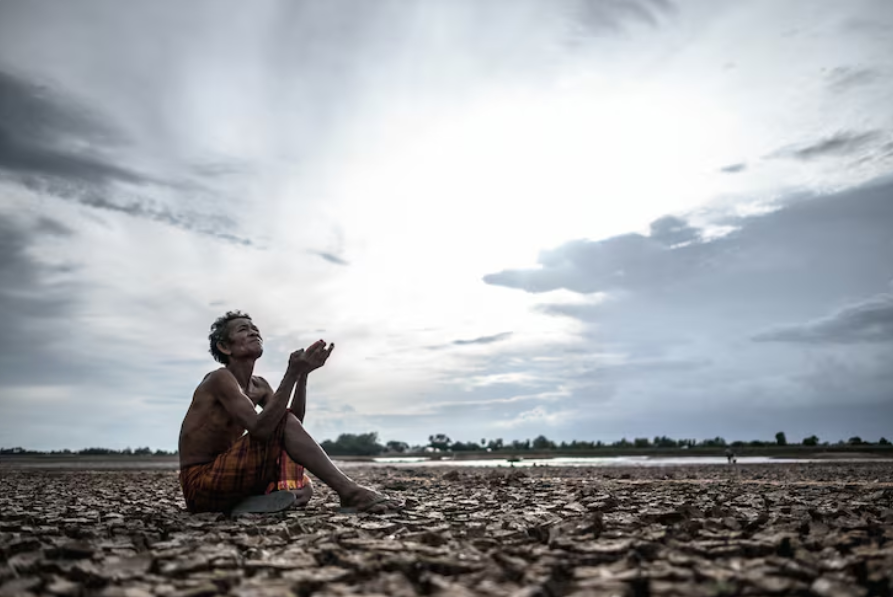
Water is one of the most essential resources on Earth, yet millions of people still struggle to access enough clean and safe water for drinking, farming, sanitation, and everyday life. While climate change, energy shortages, and food security often dominate global conversations, water scarcity receives far less attention than its potential consequences deserve.
The problem is not limited to dry deserts or developing nations. Cities, farming regions, industrial centers, and even traditionally water-rich areas are experiencing increasing pressure on freshwater supplies. Population growth, pollution, climate change, inefficient infrastructure, and rising demand are turning water scarcity into one of the defining global challenges of the modern era.
What Is Water Scarcity?
Water scarcity occurs when the available supply of usable freshwater is insufficient to meet the needs of people, agriculture, industry, and natural ecosystems.
Scarcity can be physical, meaning there simply is not enough water in a region, or economic, where water may exist but communities lack the infrastructure, funding, or technology necessary to access it safely.
Freshwater represents only a small portion of the planet’s total water supply. Most of Earth’s water is found in oceans and is too salty for direct human consumption or agriculture without costly treatment. This makes rivers, lakes, reservoirs, wetlands, and underground aquifers extremely valuable.
When these sources become depleted or polluted, communities can quickly face serious consequences.
Climate Change Is Intensifying the Problem
Climate change is making global water supplies less predictable.
Some regions are experiencing longer and more severe droughts, while others face extreme rainfall followed by extended dry periods. Rising temperatures also increase evaporation from reservoirs, lakes, and soil.
Mountain snowpacks and glaciers traditionally act as natural water storage systems, releasing freshwater gradually throughout warmer months. Changes in snowfall patterns and glacier loss can therefore affect the seasonal availability of water for millions of people.
The result is not simply “less rain.” Climate change can change when, where, and how water becomes available.
Agriculture Consumes Enormous Amounts of Water
Agriculture is one of the biggest users of freshwater worldwide.
Large quantities of water are needed to grow crops, support livestock, and produce food for expanding populations. In areas that depend heavily on irrigation, excessive pumping from rivers and underground aquifers can gradually reduce available water supplies.
Some traditional irrigation methods also lose significant amounts of water through evaporation or runoff.
Modern approaches such as drip irrigation, soil-moisture monitoring, drought-resistant crops, and precision agriculture can help farmers produce food while using water more efficiently.
Reducing unnecessary agricultural water consumption could play an important role in addressing long-term scarcity.
Groundwater Is Disappearing
Groundwater stored beneath the Earth’s surface provides drinking water and irrigation for communities around the world.
The problem is that underground water reserves can take many years, decades, or even centuries to refill.
When groundwater is pumped faster than nature can replace it, water tables begin to fall. Wells may eventually run dry, forcing farmers and communities to drill deeper or search for alternative sources.
Excessive groundwater extraction can also contribute to land subsidence, where the ground gradually sinks because underground water has been removed.
Protecting aquifers is therefore critical for long-term water security.
Pollution Makes Scarcity Worse
Water scarcity is not always caused by a lack of water. Sometimes usable water becomes scarce because existing supplies are polluted.
Industrial waste, untreated sewage, agricultural chemicals, plastic pollution, mining activity, and other contaminants can damage rivers, lakes, and groundwater.
Once a water source becomes heavily polluted, treatment may become expensive or technically difficult.
Preventing pollution is usually far more efficient than trying to restore contaminated water supplies afterward.
Governments, industries, and communities must therefore improve wastewater management and strengthen protections for freshwater ecosystems.
Growing Cities Are Increasing Demand
Rapid urbanization is another important factor.
As cities expand, millions of additional residents require water for drinking, cooking, sanitation, cleaning, construction, and business activity.
Old pipelines can make the situation worse. In some cities, significant amounts of treated drinking water are lost through leaks before reaching households.
Replacing aging infrastructure, installing smart meters, detecting leaks, and improving water recycling systems can significantly reduce unnecessary losses.
Urban planning will increasingly need to treat water availability as a central part of sustainable development.
Water Scarcity Can Threaten Food Security
Water and food production are closely connected.
If farmers cannot access enough water, crop yields may decline. Lower production can contribute to higher food prices and increased dependence on imports.
Livestock producers can also struggle when drought reduces drinking water or pasture availability.
Because food supply chains are increasingly interconnected, severe drought in one major agricultural region can affect consumers thousands of kilometers away.
Water scarcity therefore has the potential to become both an environmental issue and an economic one.
The Human Impact Can Be Severe
The consequences of water shortages are especially serious for vulnerable communities.
People without reliable access to clean water may have to travel long distances to collect it. Poor sanitation can increase the risk of waterborne diseases, while limited water supplies can make basic hygiene difficult.
Schools, hospitals, and businesses may also struggle to function when water becomes unreliable.
Competition for limited supplies can create social tension between households, farmers, industries, and neighboring regions.
Ensuring fair and dependable access to clean water is therefore closely connected to public health and social stability.
Technology Can Help Address the Crisis
Technology alone cannot solve water scarcity, but it can provide important tools.
Desalination plants can convert seawater into freshwater, particularly in coastal regions. However, desalination requires significant energy and infrastructure.
Wastewater recycling offers another promising solution. Properly treated wastewater can be reused for agriculture, industry, landscaping, and in some cases drinking water systems.
Artificial intelligence, satellite monitoring, smart irrigation systems, and advanced sensors can also help governments and farmers detect leaks, monitor drought conditions, and manage resources more efficiently.
Future water systems will likely depend heavily on better data and smarter infrastructure.
Individuals Can Also Reduce Water Waste
Governments and industries have the greatest responsibility for managing large-scale water resources, but households can also make a difference.
Simple actions such as repairing leaking faucets, taking shorter showers, using water-efficient appliances, collecting rainwater where appropriate, and avoiding unnecessary lawn watering can reduce consumption.
Consumer choices can also have indirect effects. Food production, clothing manufacturing, and industrial goods all require water.
Using products responsibly and reducing unnecessary waste can therefore lower the hidden water footprint associated with everyday consumption.
Water Must Become a Global Priority
Water scarcity is not a distant problem that only affects a handful of countries.
Changing weather patterns, growing populations, pollution, agricultural demand, and aging infrastructure are putting increasing pressure on freshwater resources around the world.
Solutions already exist, including efficient irrigation, wastewater recycling, better infrastructure, pollution prevention, groundwater protection, desalination, and smarter water management.
The larger challenge is ensuring that these solutions are implemented quickly and fairly.
Water supports nearly every part of modern civilization. Food production, healthcare, manufacturing, energy, sanitation, and economic development all depend on reliable access to it.
Protecting freshwater resources today is therefore not only an environmental responsibility. It is an investment in human health, economic stability, and the future of communities worldwide.
Read More : The Rise of Independent Journalism: Who Do You Trust in 2026?
Conversation