
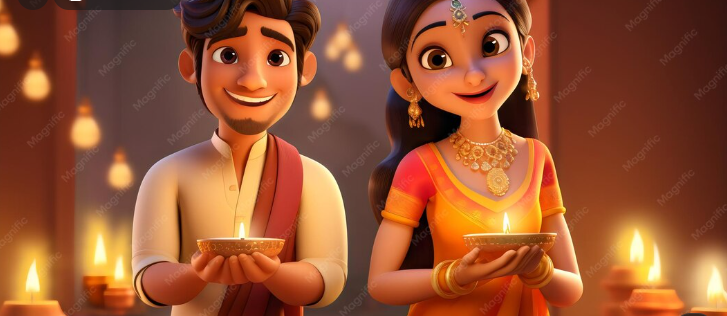
Meta Description: Learn how an animation maker can turn Marathi wishes, ukhane, greetings, and traditional messages into engaging animated content while preserving cultural meaning.
Traditional Marathi messages carry emotion, culture, humor, and a strong sense of identity. However, plain text can sometimes feel limited when people share wedding wishes, festive greetings, Marathi ukhane, or family messages on digital platforms. Animation adds movement, color, music, and visual storytelling without changing the meaning behind the words. With thoughtful design, you can turn a simple Marathi message into memorable content that feels both traditional and suitable for today’s digital audience.
What Makes a Traditional Marathi Message Suitable for Animation?
A Marathi message does not need to be long or complex to work well in an animated format. In fact, short messages often make the strongest visual impact. A wedding ukhाणा, Ganesh Chaturthi greeting, anniversary wish, or traditional saying can become the central element of a short animation.
Traditional Marathi message: A culturally meaningful phrase, wish, saying, ukhाणा, blessing, or expression written or spoken in Marathi and associated with personal, social, or festive occasions.
Key takeaway: Animation works best when it supports the original Marathi message instead of competing with it.
The first step is to understand the emotion behind the words. A humorous ukhाणा needs playful movement, while a traditional wedding message may look better with elegant transitions and warm colors. Similarly, a Ganesh festival greeting may use lamps, flowers, rangoli patterns, or subtle festive effects.
Readers looking for inspiration can first explore the Marathi ukhane collection and choose a message that suits the occasion. Starting with the right words makes every design decision easier.
How Can an Animation Maker Bring Marathi Words to Life?
An animation maker allows you to combine text, graphics, movement, backgrounds, transitions, and sometimes audio in one visual composition. You do not have to turn every element into a moving object. Small movements are often enough to make a traditional message feel more engaging.
For example, imagine a Marathi wedding ukhाणा appearing gradually over a subtle floral background. The names could enter with a gentle fade, while small decorative elements move around the border. The result keeps attention on the words but gives them more personality.
Another option is to reveal the message line by line. This technique works particularly well with ukhane because many of them build toward the spouse’s name. Revealing the final line a moment later can preserve the natural rhythm and anticipation of the original expression.
Animation can also create context. Instead of displaying a Diwali wish against a plain background, you might use subtle glowing diyas, rangoli-inspired shapes, and warm gold tones. The visual details tell viewers what kind of occasion they are experiencing even before they finish reading.
Key takeaway: Use movement to strengthen timing, emotion, and context. The Marathi words should remain the main attraction.
How Do You Choose the Right Marathi Message?
Start with the occasion and audience rather than the animation style. Ask yourself what you want the viewer to feel after watching.
For weddings, Marathi ukhane are an obvious choice because they combine tradition, personality, and often humor. For festivals, short blessings and greetings usually work better because viewers can understand them quickly. Birthday and anniversary messages allow more personal details, including names, photographs, and family references.
A useful selection process is:
- Identify the occasion.
- Decide whether the tone should be traditional, emotional, humorous, or modern.
- Choose a Marathi message that matches that tone.
- Check spelling and wording carefully.
- Decide which words deserve the most visual emphasis.
- Keep the message short enough to read comfortably on a phone.
Avoid selecting text only because it looks attractive on screen. Meaning matters more. A culturally appropriate message paired with simple animation usually feels stronger than an elaborate animation built around unrelated words.
Key takeaway: Pick the message first and the visual style second. Meaning should guide the animation.
How Should You Design Marathi Text for Animation?
Readability deserves special attention when working with Devanagari script. Decorative fonts may look attractive in a static graphic, but complex letterforms can become difficult to follow once the text begins moving.
Use a Devanagari font that displays Marathi characters correctly. Google Fonts provides several Devanagari typeface families that can help when selecting readable typography. Always preview the complete sentence because conjunct characters and vowel signs can behave differently across fonts and software.
Keep enough space around each line. Marathi text can become visually dense when several lines are placed close together. Increasing line spacing and leaving clear margins can make a major difference, especially on mobile screens.
Contrast is equally important. Dark text works well against light, uncluttered backgrounds, while white or cream lettering can stand out on darker festive designs. Avoid placing detailed Marathi lettering over busy photographs or patterns.
Key takeaway: Clear Devanagari typography, strong contrast, and comfortable spacing matter more than decorative effects.
Which Visual Elements Work With Marathi Traditions?
Traditional design does not require filling every corner with cultural symbols. A few carefully chosen details can establish the Marathi character of the animation.
For a wedding message, you might use floral decorations, traditional patterns, wedding colors, or illustrations inspired by Maharashtrian attire. Festival animations can incorporate rangoli forms, flowers, lamps, torans, or other occasion-specific elements. Family greetings may work better with photographs and minimal decoration.
Color also helps establish mood. Saffron, red, green, gold, cream, and warm natural tones often appear in traditional visual themes. However, you do not need to use all of them together. Two or three coordinated colors generally create a cleaner design.
Be careful with religious and ceremonial symbols. Use them respectfully and in a context that matches the message. A cultural element should add meaning rather than serve as random decoration.
Key takeaway: Choose a small number of culturally relevant visual elements and use them with purpose.
How Much Animation Is Enough?
More movement does not automatically make a message more engaging. Too many effects can distract viewers from the Marathi text.
A good animated message usually has a simple visual hierarchy. The background provides context, decorative elements add atmosphere, and the message remains the focal point. Movement should guide the viewer toward the words.
Simple effects often work well:
- Fade text in and out.
- Reveal individual lines in sequence.
- Use gentle zoom effects.
- Add slow movement to flowers or decorative patterns.
- Highlight a name with a different color or entrance effect.
- Use subtle light effects for festive greetings.
Keep text on screen long enough for comfortable reading. This is especially important for audiences who may read Marathi more slowly on digital screens.
The Web Content Accessibility Guidelines from the W3C also provide useful principles around readable text, contrast, and moving content. While animated greetings are creative pieces, basic accessibility principles can still improve the viewing experience.
Key takeaway: Favor slow, purposeful movement over constant effects. Viewers need enough time to read and understand every important line.
How Can You Animate Marathi Ukhane Effectively?
Ukhane offer an interesting opportunity because their structure naturally supports timing. Traditionally, an ukhाणा often leads toward the spouse’s name, creating a small moment of anticipation.
Animation can recreate this effect visually. Display the opening line first, allow a short pause, and then reveal the line containing the name. A subtle transition can make the final reveal feel more satisfying without becoming theatrical.
Humorous ukhane can use slightly more playful movement. Romantic or traditional ukhane usually benefit from restrained transitions and elegant typography. The animation style should follow the tone of the words.
For example, a wedding-themed sequence might begin with a floral border appearing around the screen. The first line then fades in, followed by the second. Finally, the spouse’s name appears in a highlighted color. The entire sequence can remain simple while still creating a sense of occasion.
Key takeaway: Animate an ukhाणा according to its natural rhythm, especially when the final name or phrase provides the payoff.
How Do You Add Music Without Overpowering the Message?
Music can establish emotion quickly, but it should stay in the background. Soft instrumental music often works better than a song with prominent lyrics because competing words can make the Marathi message harder to process.
Match the audio to the occasion. A wedding animation may suit gentle traditional instrumentation, while a festive greeting can use a brighter rhythm. Personal greetings can work with calm instrumental music or even no music at all.
If the animation includes spoken Marathi narration, lower the background music while the voice plays. Clear speech should always take priority.
Also, use music you have permission to publish. Royalty-free does not always mean unrestricted, so check the license before uploading or distributing an animated greeting.
Key takeaway: Music should reinforce the mood without competing with Marathi text or narration.
What Is a Simple Workflow for Creating an Animated Marathi Message?
You can create a polished message without making the process complicated. Start with the content and gradually add visual layers.
Step 1: Choose the Marathi text. Select an ukhाणा, greeting, blessing, or personal message appropriate for the occasion.
Step 2: Verify the language. Check spelling, names, punctuation, and cultural context before beginning the design.
Step 3: Select the format. Vertical layouts work well for mobile-first sharing, while square or landscape formats may suit other platforms.
Step 4: Build the visual theme. Choose a background, two or three colors, and a small number of cultural design elements.
Step 5: Add readable Marathi typography. Keep the font clear and ensure every Devanagari character displays correctly.
Step 6: Add movement. Use an animation maker to introduce simple transitions, text reveals, and decorative motion.
Step 7: Add optional audio. Choose suitable music or narration and balance the volume carefully.
Step 8: Preview on a phone. Check readability, timing, spelling, and visual clarity on the type of screen where people are most likely to view it.
Step 9: Export and review again. Watch the final file from beginning to end before sharing it.
Key takeaway: A reliable workflow moves from message to design to motion. Starting with effects usually creates unnecessary clutter.
What Mistakes Should You Avoid?
One common mistake is treating Marathi text as decoration instead of content. The words carry the cultural meaning, so they need enough space and viewing time.
Another problem is mixing too many fonts, colors, transitions, and symbols. A wedding message does not need every traditional motif on one screen. Visual restraint makes individual elements more meaningful.
Automatic text conversion also needs careful review. If you type Marathi using transliteration or another input method, check the final Devanagari text manually. A small spelling error can change meaning or make a personal message look careless.
Finally, avoid copying animations, illustrations, music, or templates without checking usage rights. Original combinations of text, design, and motion make the finished message more personal and easier to share confidently.
Key takeaway: Check language accuracy, readability, cultural context, and usage rights before publishing an animated Marathi message.
Why Does Animation Work Well With Traditional Marathi Content?
Animation creates a bridge between familiar cultural expression and modern communication. People can continue using Marathi words, traditions, humor, and greetings while presenting them in formats that feel natural on digital platforms.
The goal is not to modernize tradition until it becomes unrecognizable. Instead, animation can give traditional content a new visual setting. An ukhाणा remains an ukhाणा. A blessing keeps its original meaning. The format simply becomes more dynamic.
This balance matters for sites such as ukhane.in, where language and tradition are central to the content. Animated formats can complement written collections by showing how Marathi expressions can live beyond a static page.
Key takeaway: Good animation changes the presentation of Marathi traditions, not their meaning.
Frequently Asked Questions
Can Marathi text be used in an animation maker?
Yes. Marathi text can be animated as long as the chosen tool and font support Devanagari characters correctly. Preview every line before exporting because character rendering can vary.
Takeaway: Use Devanagari-compatible fonts and verify the final Marathi text visually.
What type of Marathi content works best for animation?
Short ukhane, wedding messages, festival greetings, invitations, anniversary wishes, blessings, and family messages generally adapt well to animation. Shorter content is easier to read within a few seconds.
Takeaway: Concise Marathi messages usually produce the clearest animated results.
How long should an animated Marathi greeting be?
There is no fixed length. It should be long enough for viewers to comfortably read the complete message without unnecessary waiting. A short greeting may need only a few seconds, while an ukhाणा with several lines may need longer.
Takeaway: Set the duration according to reading time rather than an arbitrary video length.
Should traditional Marathi animations always use traditional designs?
No. The message and occasion should determine the style. Minimal modern visuals can work well with Marathi text as long as the cultural meaning and readability remain intact.
Takeaway: Cultural relevance comes from thoughtful context, not from adding as many traditional symbols as possible.
Can I add Marathi voice narration?
Yes. Narration can make an animated message more personal and can help communicate pronunciation and emotion. Keep background music quiet whenever narration is playing.
Takeaway: Marathi narration can strengthen emotion when the voice remains clear and easy to hear.
How Can You Keep Tradition at the Center of Animated Marathi Messages?
The best animated Marathi messages begin with strong words, not special effects. Choose a culturally appropriate message, confirm its spelling and meaning, and then build the design around it. Clear Devanagari typography, restrained movement, relevant visual elements, and suitable audio can transform a written greeting or ukhाणा into something memorable.
An animation maker provides the creative tools, but the Marathi message provides the identity. When every visual choice supports that message, traditional expressions can feel equally at home at a wedding ceremony, on a cultural website, or on a modern digital screen.
Key takeaway: Preserve the words and their cultural meaning first. Use animation, typography, color, and sound to help that tradition reach people in an engaging digital form.
Read more: The Anti-Inflammatory Diet: Foods That Fight Chronic Disease / Outdoor Education: Why Nature Is the Best Teacher