
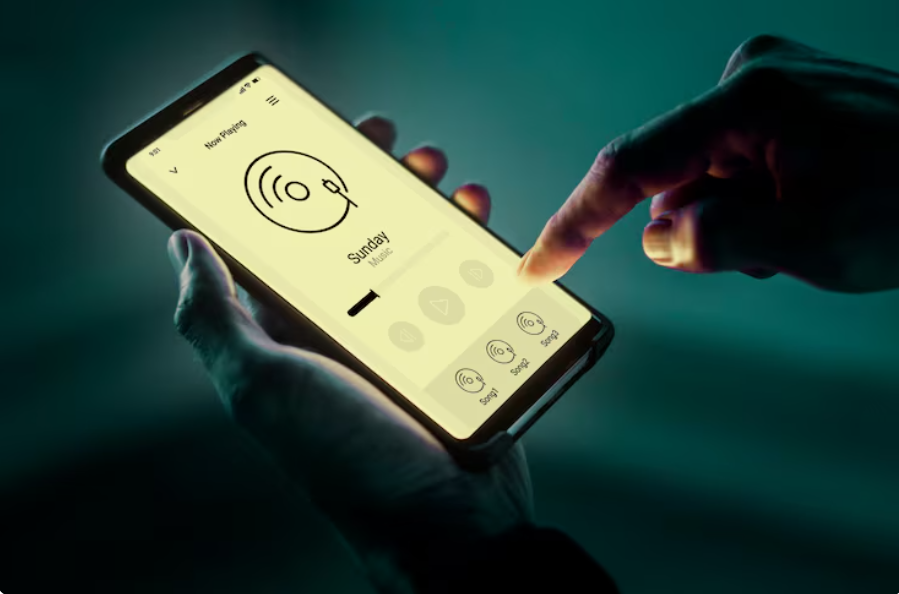
Smartphones have transformed modern life. They combine communication, entertainment, navigation, banking, shopping, photography, work, and social networking in a single pocket-sized device. Yet as smartphones become more powerful and more deeply integrated into daily routines, a growing number of people are moving in the opposite direction. They are choosing basic phones, often called “dumb phones,” as part of a wider movement toward digital minimalism.
The return of the dumb phone does not necessarily mean that people are rejecting technology altogether. Instead, it reflects a desire to use technology more intentionally. For some, a simpler phone represents freedom from endless notifications, social media feeds, and the pressure to remain constantly available.
What Is a Dumb Phone?
A dumb phone is a basic mobile phone designed primarily for essential communication. Most models provide calling, text messaging, alarms, contacts, and a few simple tools. Some newer versions may also include limited internet access, music playback, cameras, or navigation.
What they usually lack are the features that make smartphones highly engaging. There may be no large app ecosystem, no constant stream of social media updates, and no sophisticated recommendation algorithms competing for the user’s attention.
This simplicity is exactly what attracts many people.
Why Are People Returning to Simpler Phones?
One major reason is screen fatigue. Many people spend hours each day switching between social media, messaging apps, videos, email, news, and entertainment. Even short breaks can quickly turn into long scrolling sessions.
A basic phone removes many of those temptations.
Without dozens of apps available at any moment, users may find it easier to focus on work, hobbies, conversations, exercise, or simply being present in their surroundings.
Another reason is notification overload. Smartphones can generate alerts from messaging services, shopping platforms, games, news apps, social networks, productivity tools, and countless other sources. Although users can disable notifications, many people find that completely removing access to distracting apps is easier than constantly managing them.
Digital Minimalism Is About Intentional Use
Digital minimalism is not necessarily about using less technology in every situation. It is about deciding which technologies genuinely provide value and removing those that consume attention without offering enough benefit.
A person practicing digital minimalism may still use a laptop for work, a tablet for reading, or a smartphone when traveling. The difference is that technology becomes a deliberate tool rather than something that automatically fills every available moment.
For some people, switching to a dumb phone is the clearest way to create that boundary.
Instead of carrying entertainment and social media everywhere, they may choose to access those services only from a computer at specific times.
The Appeal of Fewer Distractions
Modern smartphones are designed to perform hundreds of tasks, but that convenience can also make concentration difficult.
Imagine checking your phone to respond to a message. Before putting it away, you notice a social media notification. That leads to a video, which leads to another post, and suddenly several minutes have disappeared.
Basic phones interrupt this pattern because there is much less to explore.
When a phone is primarily a communication device, users are more likely to pick it up for a specific reason and put it down when the task is complete.
This can create a noticeable change in daily habits.
Longer Battery Life and Greater Simplicity
Practical benefits also contribute to the renewed interest in dumb phones.
Many basic phones can operate for several days on a single charge because they have smaller screens and fewer power-hungry applications. This can be useful for travelers, outdoor enthusiasts, older adults, or anyone who dislikes constantly searching for a charger.
Basic phones can also be easier to maintain. There are fewer apps to update, fewer settings to manage, and fewer software features to troubleshoot.
For users who mainly want calls and messages, a smartphone can sometimes feel unnecessarily complicated.
Privacy Is Another Consideration
Privacy concerns have also encouraged some people to reconsider how many connected services they use.
Smartphone apps may request access to location data, contacts, photos, browsing behavior, microphones, or other information. While privacy settings and permissions provide important controls, managing them across dozens of applications can require significant attention.
A basic phone generally has fewer apps, fewer online accounts, and fewer opportunities for constant digital tracking.
That does not mean dumb phones are completely private or anonymous. Mobile networks can still process communication and location-related information. However, having fewer connected services can reduce the amount of personal data shared through third-party applications.
Dumb Phones Are Not Perfect
The return of basic phones also comes with trade-offs.
Smartphones have become essential tools for many everyday activities. Banking apps, two-factor authentication, maps, ride-hailing services, digital tickets, mobile payments, work communication, and emergency information may all depend on smartphone access.
For many users, completely abandoning a smartphone would create more inconvenience than benefit.
That is why some people adopt a hybrid approach.
They may carry a dumb phone during weekends or evenings while keeping a smartphone at home. Others use a basic phone as their primary device while keeping a tablet or laptop for applications that require internet access.
Some modern minimalist phones also sit somewhere between traditional dumb phones and smartphones, providing essential tools such as navigation or messaging while intentionally limiting entertainment apps.
Younger Generations Are Experimenting Too
Interestingly, the appeal of simpler phones is not limited to people who grew up before smartphones.
Younger users who have spent much of their lives surrounded by social media are also experimenting with reduced connectivity. For them, dumb phones can offer a way to escape the pressure of constant posting, comparison, and digital availability.
Using a basic phone can even feel refreshing or unusual in an environment where smartphones are nearly universal.
The trend shows that technological progress does not always mean adding more features. Sometimes users want devices that intentionally do less.
Creating Healthier Technology Habits Without Switching Phones
Buying a dumb phone is not the only way to practice digital minimalism.
Smartphone users can create similar boundaries by deleting distracting apps, disabling unnecessary notifications, setting screen-time limits, using grayscale mode, or keeping phones outside bedrooms and workspaces.
Some people create specific periods of the day when they avoid social media or messaging applications.
The goal is not to eliminate useful technology. It is to reduce automatic and unnecessary use.
For many people, the most effective strategy may involve designing a personal system that balances convenience with attention.
A Different Definition of Better Technology
For years, mobile phones have been marketed around faster processors, brighter displays, better cameras, and more sophisticated software. The renewed interest in dumb phones challenges the idea that more features always produce a better experience.
Sometimes the most valuable feature may be the absence of distraction.
The return of the dumb phone represents a broader conversation about attention, privacy, balance, and the role technology should play in everyday life. Digital minimalism encourages people to decide how they want to use technology rather than allowing technology to determine how they spend their time.
Smartphones are unlikely to disappear, and most people will continue relying on them. However, the growing popularity of simpler devices suggests that convenience is no longer the only priority.
For some users, the future of mobile technology may involve doing less, carrying less, and paying more attention to the world beyond the screen.
Read More : The Franchise Model: Is Buying One Better Than Starting From Scratch?
Conversation