
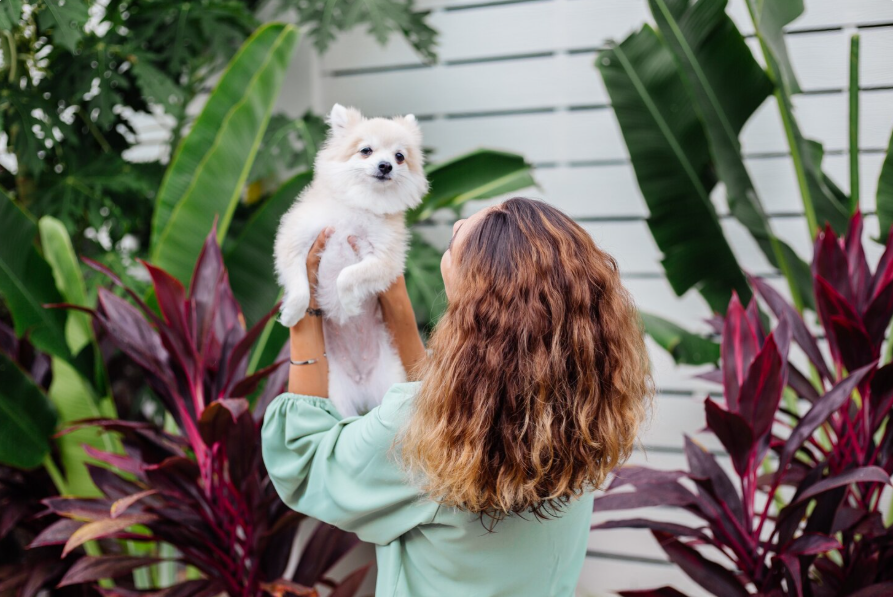
Houseplants can make a home feel fresher, calmer, and more inviting. They add color to empty corners, soften modern interiors, and can even encourage people to spend more time caring for their surroundings. However, for households with cats or dogs, choosing indoor greenery requires more than simply picking plants that look attractive.
Many popular houseplants contain natural compounds that can irritate or poison pets if they chew the leaves, stems, flowers, bulbs, or roots. Curious cats may climb onto shelves to investigate plants, while puppies and younger dogs may chew almost anything within reach. Understanding which plants can pose a risk is therefore an important part of creating a pet-friendly home.
Why Do Pets Eat Houseplants?
Cats and dogs may investigate plants for several reasons. Young animals often explore their environment with their mouths, while some pets chew vegetation out of curiosity, boredom, or playfulness.
Cats may also be attracted to long, narrow leaves that resemble grass. Dogs, particularly puppies, may chew leaves or dig through potting soil simply because it is interesting.
Even pets that normally ignore plants can suddenly become curious about a new addition to the home. For this reason, owners should not assume that a toxic plant is safe simply because their pet has never touched it before.
Lilies Can Be Extremely Dangerous to Cats
Lilies are among the most important plants for cat owners to recognize. Certain true lilies, including Easter lilies, tiger lilies, Asiatic lilies, and daylilies, can be extremely toxic to cats.
Even relatively small exposure to parts of these plants may result in serious poisoning. Cats may become exposed by chewing leaves or flowers, drinking water from a vase, or contacting pollen and later licking it from their fur.
Symptoms may include vomiting, reduced appetite, weakness, and changes in urination.
Because of the seriousness of lily exposure in cats, households with cats are generally safer avoiding these plants altogether.
Sago Palm
The sago palm is an attractive decorative plant often used indoors and outdoors. Unfortunately, it can be highly toxic to both cats and dogs.
Every part of the plant may contain harmful substances, although the seeds are particularly dangerous. Ingestion can cause vomiting, diarrhea, weakness, neurological problems, and serious liver damage.
Dog owners should be particularly careful because some dogs may be attracted to the seeds.
Aloe Vera
Aloe vera is widely appreciated for its appearance and its use in skincare products. However, the plant itself can cause problems if pets chew or swallow it.
In cats and dogs, aloe ingestion may lead to digestive symptoms such as vomiting, diarrhea, reduced appetite, or lethargy.
People who enjoy aloe plants may choose to keep them in completely inaccessible areas, although selecting a non-toxic alternative is often simpler in homes with very curious pets.
Pothos
Pothos is one of the most common indoor plants because it is attractive, affordable, and easy to grow. Its trailing vines can quickly transform shelves and hanging planters.
Unfortunately, pothos contains calcium oxalate crystals. When a cat or dog chews the plant, these crystals can irritate the mouth and digestive system.
Possible symptoms include excessive drooling, pawing at the mouth, vomiting, and difficulty swallowing.
Philodendrons can produce similar irritation and should also be treated cautiously around pets.
Dieffenbachia
Dieffenbachia, sometimes called dumb cane, is another popular decorative houseplant containing irritating calcium oxalate crystals.
Pets that bite into its leaves or stems may experience intense irritation around the lips, tongue, and mouth. Drooling, vomiting, swelling, and swallowing difficulties can occur.
Because its large leaves are often positioned within easy reach of pets, owners may prefer safer alternatives.
Snake Plant
Snake plants are extremely popular because they tolerate low light and require relatively little care. Unfortunately, they are not considered completely pet-friendly.
If cats or dogs chew snake plant leaves, they may experience gastrointestinal discomfort, nausea, vomiting, or diarrhea.
The reaction is generally associated with compounds called saponins found naturally in the plant.
Peace Lily
Despite its name, the peace lily is not considered a true lily. However, that does not mean it is completely safe for pets.
Peace lilies contain calcium oxalate crystals that can irritate an animal’s mouth and throat. Chewing the plant may cause drooling, oral discomfort, vomiting, or difficulty swallowing.
Pet owners who love the appearance of lush green foliage may want to select a safer plant with a similar decorative effect.
Tulips and Daffodils
Tulips and daffodils can create beautiful indoor displays, particularly during spring, but their bulbs may be dangerous to pets.
The bulbs contain concentrated compounds that can cause significant gastrointestinal irritation. Dogs that enjoy digging may be especially likely to encounter bulbs planted outdoors or stored before planting.
Symptoms can include vomiting, drooling, diarrhea, and abdominal discomfort. Larger exposures may result in more serious problems.
Pet-Friendly Plant Alternatives
Fortunately, having pets does not mean giving up houseplants altogether. There are many attractive options that are generally considered safer for cats and dogs.
Some popular pet-friendly choices include:
- Spider plants, which are easy to maintain and work well in hanging baskets.
- Areca palms, which provide a tropical appearance without the same toxicity concerns associated with some other decorative palms.
- Boston ferns, which create lush greenery and work well in bathrooms or humid rooms.
- Calatheas, known for beautifully patterned leaves.
- Prayer plants, which offer colorful foliage and interesting leaf movement.
- Parlor palms, which are compact and suitable for many indoor environments.
- African violets, which provide colorful flowers and can grow well indoors.
Even with non-toxic plants, allowing pets to eat large quantities of vegetation is not recommended because excessive plant material may still cause stomach upset.
Keep Plants Out of Reach
Plant placement can provide another layer of protection. Hanging baskets, wall-mounted planters, enclosed plant cabinets, and tall shelves can help keep certain greenery away from pets.
However, cat owners should remember that cats are excellent climbers and jumpers. A high shelf may not be enough if nearby furniture provides an easy route.
Fallen leaves and flowers should also be removed quickly because pets may investigate them on the floor.
Avoid Dangerous Fertilizers and Chemicals
The plant itself is not the only potential hazard.
Fertilizers, pesticides, insecticides, and certain soil additives may be harmful if pets consume them. Owners should store gardening products securely and follow product instructions carefully.
Decorative additions such as cocoa mulch may also be unsafe for dogs because cocoa products can contain compounds similar to those found in chocolate.
Choosing pet-conscious gardening products can make indoor and outdoor plant care significantly safer.
What Should You Do If Your Pet Eats a Toxic Plant?
If you suspect your cat or dog has eaten a potentially toxic plant, remove access to the plant immediately.
Try to identify the plant and estimate how much may have been eaten. Taking a photo or keeping a small sample may help a veterinarian determine the appropriate response.
Contact a veterinarian or animal poison service as soon as possible, particularly if the plant is known to be highly toxic. Do not attempt to induce vomiting unless a veterinary professional specifically instructs you to do so.
Signs such as repeated vomiting, severe drooling, weakness, difficulty breathing, tremors, seizures, or unusual behavior require urgent veterinary attention.
Creating a Green Home That Is Safe for Pets
Building a pet-friendly indoor garden is mainly about making informed choices. Before purchasing a new plant, check whether it is considered safe for the animals living in your home.
Plant labels at garden centers may not always include detailed pet-safety information, so checking the species name can help prevent mistakes.
It is also important to consider your pet’s personality. A dog that never approaches plants may present a lower risk than an energetic puppy, while a climbing cat may reach areas that seem inaccessible.
Final Thoughts
Plants can bring warmth, color, and natural beauty into a home, but pet owners should choose greenery carefully. Common plants such as lilies, sago palms, pothos, dieffenbachia, aloe vera, and snake plants can cause health problems if cats or dogs consume them.
Fortunately, pet-safe options such as spider plants, Boston ferns, prayer plants, parlor palms, and African violets make it possible to enjoy indoor gardening without unnecessarily increasing the risk to pets.
By researching plants before buying them, placing greenery thoughtfully, and keeping gardening chemicals safely stored, pet owners can create a home that is both beautifully green and comfortable for their four-legged companions.
Read More : Exit Strategies: How to Sell Your Startup for Maximum Profit
Conversation