
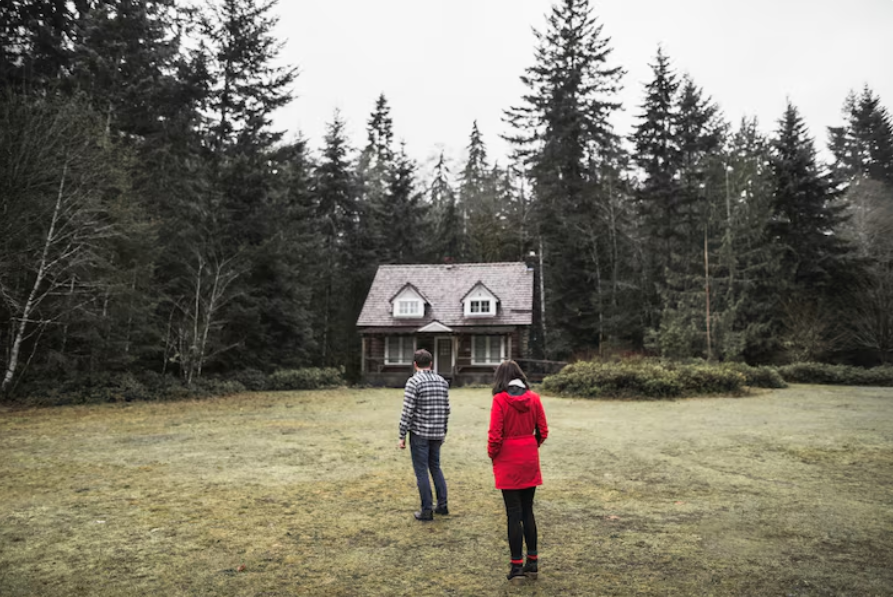
Housing affordability has become a growing concern in many parts of the world. Property prices continue to rise, rents are placing increasing pressure on household budgets, and many first-time buyers are finding traditional homeownership difficult to reach. As governments, developers, and communities search for practical alternatives, one idea has attracted significant attention: tiny homes.
Tiny homes are compact living spaces, usually designed to provide the essential features of a traditional house within a much smaller footprint. They may be built on permanent foundations, placed on trailers, or developed as part of dedicated communities. Supporters believe they could offer a more affordable and sustainable way to live, while critics argue that they cannot solve the deeper causes of the housing crisis on their own.
So, could tiny homes really become part of the solution?
Why Tiny Homes Are Becoming Popular
One of the strongest attractions of a tiny home is its lower construction cost. A smaller property generally requires fewer building materials, less labor, and less land than a conventional house.
For people who cannot afford a traditional home, this can create an alternative path to ownership. Tiny homes may also appeal to retirees, young professionals, single-person households, and people who simply prefer a more minimalist lifestyle.
The popularity of remote work has also influenced interest in smaller homes. Some people no longer need to live close to expensive urban business districts, making compact housing in suburban or rural areas more practical.
Lower Housing Costs
Affordability is the biggest reason tiny homes are often discussed as a possible response to housing shortages.
Traditional housing costs involve much more than the purchase price. Homeowners must also consider mortgages, property taxes, energy bills, insurance, maintenance, and repairs. Because tiny homes are smaller, many of these ongoing expenses may also be reduced.
Heating and cooling a compact space, for example, usually requires less energy. Maintenance may be simpler, and furnishing the home can be less expensive.
However, the price of the building itself is only part of the equation. Land, utility connections, permits, transportation, and site preparation can significantly increase the final cost.
Making Better Use of Limited Land
Land availability is a major issue in many growing cities. Tiny homes can potentially make more efficient use of available space.
Several small homes may fit on land that would otherwise accommodate only one or two conventional houses. This could help cities increase housing density without relying entirely on large apartment developments.
Tiny homes may also be suitable for unused or underused land, including vacant lots, backyards, and certain redevelopment areas.
Accessory dwelling units, sometimes called backyard homes or secondary units, are another example of how compact housing can increase supply within existing neighborhoods.
A Possible Solution for Homelessness
Some cities and nonprofit organizations have explored tiny-home villages as transitional or supportive housing for people experiencing homelessness.
These communities can provide residents with private shelter while requiring less space and construction funding than traditional housing projects. When combined with healthcare, employment assistance, counseling, and social services, they may help people move toward more stable housing.
However, simply providing a small structure is rarely enough. Long-term housing stability often depends on income, healthcare access, employment opportunities, transportation, and social support.
Tiny homes can therefore play a role in homelessness programs, but they are most effective when included within a broader support system.
Environmental Benefits
Tiny homes are also frequently associated with sustainable living.
Because they require fewer construction materials, they may have a smaller environmental footprint than larger houses. Their reduced interior space can also decrease energy consumption.
Some tiny homes incorporate solar panels, rainwater collection, energy-efficient appliances, composting systems, and environmentally friendly building materials.
For people interested in reducing consumption, smaller homes can also encourage a simpler lifestyle. Limited storage space often means residents must think carefully about what they purchase and keep.
The Challenge of Zoning Laws
One of the biggest obstacles facing the tiny-home movement is regulation.
Many local governments have rules regarding minimum house sizes, lot sizes, parking requirements, utility connections, building codes, and permanent foundations. A tiny home may technically be affordable to build but still be difficult to place legally.
Homes constructed on trailers can face additional complications because authorities may classify them as recreational vehicles rather than permanent residences.
Updating zoning policies could make it easier for communities to include smaller housing options. However, regulations must still address safety, sanitation, infrastructure, accessibility, and neighborhood planning.
Tiny Homes Are Not Suitable for Everyone
Despite their advantages, tiny homes come with obvious limitations.
A very small living space may be comfortable for one person or a couple, but it can be challenging for larger families. Storage is limited, privacy can be difficult, and residents often need to make careful decisions about furniture and personal belongings.
Working from home may also become complicated when multiple people share the same compact space.
Accessibility is another consideration. Loft bedrooms, narrow staircases, and limited floor space may not be suitable for elderly residents or people with certain mobility needs unless the home is specifically designed for accessibility.
Financing Can Be Difficult
Traditional homebuyers often rely on long-term mortgages, but financing a tiny home can be more complicated.
Banks may hesitate to provide conventional mortgages for properties that are very small, movable, or located on leased land. Buyers may need personal loans, specialized financing, or significant savings.
This can reduce some of the affordability advantage, particularly when loans have shorter repayment periods or higher interest rates.
Creating clearer legal classifications and financing options could make tiny homes more accessible to a wider group of buyers.
Could Tiny-Home Communities Help?
One promising approach is the development of planned tiny-home communities.
Instead of placing individual tiny houses randomly across different locations, these developments can provide shared infrastructure such as roads, water, electricity, waste management, parking, and community spaces.
Some communities may also include shared gardens, laundry facilities, recreational areas, and workspaces.
Shared resources can reduce individual costs while creating a stronger sense of community. Well-planned developments may be especially useful for students, retirees, seasonal workers, and people looking for affordable starter homes.
They Are Part of the Solution, Not the Entire Solution
The affordable housing crisis is caused by many interconnected factors, including land prices, construction costs, zoning restrictions, population growth, interest rates, income levels, and housing supply.
Tiny homes cannot address every one of these challenges.
A city experiencing a shortage of hundreds of thousands of homes will probably need a mixture of housing types, including apartments, townhouses, affordable rentals, social housing, accessory units, and conventional homes.
Tiny homes can add another useful option to that mix.
Their greatest value may be their flexibility. They can serve different groups, use smaller parcels of land, support alternative ownership models, and provide housing at a potentially lower cost.
Conclusion
Tiny homes are unlikely to solve the affordable housing crisis by themselves, but they could become an important part of a broader housing strategy.
Their smaller size can reduce building and living expenses, increase the efficient use of land, and provide more flexible housing choices. Tiny-home communities may also support affordable ownership, transitional housing, and sustainable development.
For their potential to be fully realized, however, governments and communities may need to reconsider zoning rules, financing systems, infrastructure requirements, and land-use policies.
The future of affordable housing probably will not depend on one single solution. Instead, it will require many approaches working together. Tiny homes may be small in size, but their contribution to creating more diverse and accessible housing could be significant.
Read More : The FIRE Movement: Can You Really Retire in Your 30s?