
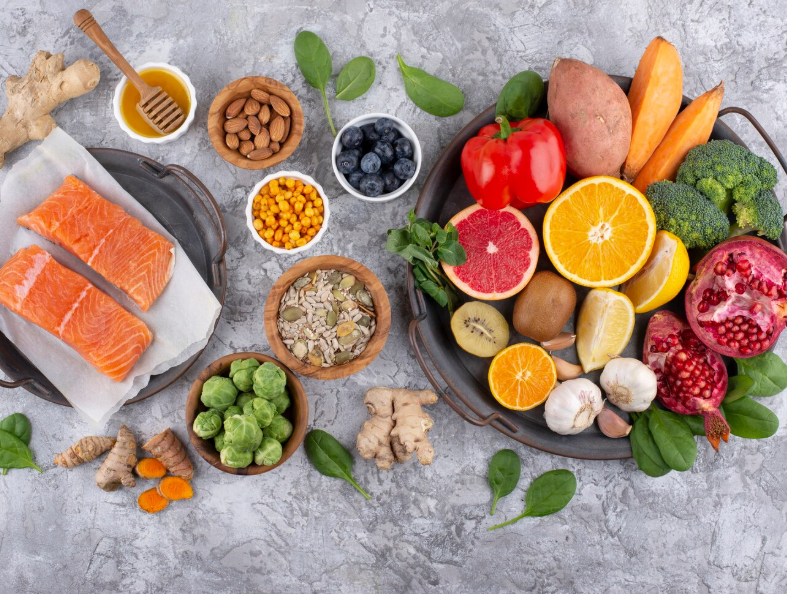
Inflammation is a natural part of the body’s defense system. When you get injured or develop an infection, inflammation helps protect damaged tissues and supports healing. The problem begins when inflammation becomes chronic. Instead of switching off after the threat is gone, low-level inflammation can continue for months or years, potentially contributing to conditions such as heart disease, type 2 diabetes, obesity, and other long-term health problems.
One way to support the body’s natural inflammatory balance is through diet. An anti-inflammatory diet is not a strict eating program or a temporary cleanse. It is a long-term approach centered on nutrient-rich whole foods while limiting highly processed foods that may contribute to poor metabolic health.
What Is an Anti-Inflammatory Diet?
An anti-inflammatory diet emphasizes foods containing antioxidants, fiber, healthy fats, vitamins, minerals, and plant compounds. Many of these nutrients help protect cells from oxidative stress and support normal immune function.
The approach is similar to several well-known healthy eating patterns, including the Mediterranean diet. Meals typically focus on vegetables, fruits, whole grains, legumes, nuts, seeds, fish, herbs, and healthy oils.
Rather than relying on one so-called miracle food, the goal is to create an overall eating pattern that supports health consistently.
Colorful Fruits and Vegetables
Fruits and vegetables are among the most important foods in an anti-inflammatory eating plan. Their bright colors often come from natural compounds known as phytochemicals, which may provide antioxidant and protective benefits.
Berries such as blueberries, strawberries, raspberries, and blackberries contain anthocyanins. Leafy vegetables like spinach and kale provide vitamins, minerals, and carotenoids.
Other useful choices include broccoli, tomatoes, bell peppers, oranges, cherries, carrots, and sweet potatoes.
Eating a variety of colors throughout the week can help ensure that the body receives a broad range of nutrients and plant compounds.
Fatty Fish and Omega-3 Fats
Omega-3 fatty acids are commonly associated with cardiovascular and inflammatory health. Fatty fish such as salmon, sardines, mackerel, trout, and herring are particularly rich sources.
For people who eat fish, including it regularly can also provide high-quality protein, vitamin D, selenium, and other important nutrients.
Plant-based omega-3 sources include flaxseeds, chia seeds, hemp seeds, and walnuts. Although plant-based omega-3s differ from those found in seafood, they can still be valuable additions to a balanced diet.
Extra-Virgin Olive Oil
Extra-virgin olive oil is a major component of the Mediterranean diet. It contains monounsaturated fats and antioxidant compounds called polyphenols.
It can be used for salad dressings, cooking vegetables, drizzling over whole grains, or replacing some highly processed fats in everyday meals.
The overall quality of dietary fats matters. Replacing excessive amounts of saturated and heavily processed fats with unsaturated fats may provide greater benefits than simply adding olive oil to an otherwise unhealthy eating pattern.
Nuts and Seeds
Almonds, walnuts, pistachios, sunflower seeds, pumpkin seeds, flaxseeds, and chia seeds provide healthy fats, fiber, plant protein, and micronutrients.
They can easily be added to oatmeal, yogurt, salads, smoothies, or snacks.
Because nuts and seeds are calorie-dense, moderate portions are generally enough. A small handful can provide significant nutritional value without requiring a major change to a meal.
Whole Grains
Whole grains contain more fiber and nutrients than many refined grain products because the bran and germ remain intact.
Examples include oats, brown rice, quinoa, barley, buckwheat, and whole-grain bread.
Fiber supports digestive health and helps nourish beneficial gut bacteria. A healthy gut microbiome may also play a role in regulating immune and inflammatory processes.
Replacing some refined carbohydrates with minimally processed whole grains can be a practical step toward a healthier eating pattern.
Beans and Legumes
Lentils, chickpeas, black beans, kidney beans, peas, and other legumes are excellent sources of fiber, protein, minerals, and plant compounds.
They are affordable, versatile, and suitable for soups, salads, curries, stews, and grain bowls.
Regularly replacing some processed or high-fat meats with legumes can also improve the overall nutritional quality of a diet.
Herbs and Spices
Many herbs and spices contain naturally occurring antioxidant compounds.
Turmeric is especially well known because it contains curcumin, a compound studied for its potential anti-inflammatory properties. Ginger, garlic, cinnamon, rosemary, oregano, and cloves also contain beneficial plant compounds.
These ingredients can improve flavor while reducing the need for excessive salt, sugar, or heavy sauces.
However, normal culinary use should not be confused with concentrated supplements. High-dose herbal supplements may interact with medications and should be discussed with a healthcare professional when appropriate.
Foods to Limit
An anti-inflammatory diet is not only about what you add. Reducing certain foods can be equally important.
Highly processed foods containing large amounts of added sugar, refined carbohydrates, sodium, and unhealthy fats may contribute to weight gain and metabolic problems when consumed frequently.
Foods worth limiting include sugary beverages, heavily processed snacks, refined sweets, excessive processed meats, and frequent fast-food meals.
This does not mean every dessert or processed food must be permanently eliminated. Overall dietary patterns matter more than occasional choices.
The Importance of Gut Health
The digestive system contains trillions of microorganisms collectively known as the gut microbiome. These organisms interact with digestion, metabolism, and immune function.
Fiber-rich plant foods help support beneficial gut bacteria. Fermented foods such as yogurt, kefir, sauerkraut, kimchi, and certain traditional fermented foods may also contribute useful microorganisms or fermentation products.
A varied diet containing different plant foods is generally considered beneficial for microbial diversity.
Lifestyle Matters Too
Diet alone cannot control every factor involved in chronic inflammation. Sleep, physical activity, stress management, smoking status, alcohol consumption, body composition, genetics, and existing medical conditions can all influence health.
Regular exercise, adequate sleep, and stress-reduction practices can complement a nutritious diet.
Even small improvements may become meaningful when maintained consistently over time.
Building an Anti-Inflammatory Plate
A simple meal could include half a plate of colorful vegetables, a source of protein such as fish, lentils, or beans, a serving of whole grains, and a small amount of healthy fat.
Breakfast might include oatmeal with berries, walnuts, and seeds. Lunch could be a chickpea and vegetable salad with olive oil dressing. Dinner might feature grilled salmon, roasted vegetables, and brown rice.
The goal is not perfection. It is creating meals that make nutrient-dense foods the default choice.
Final Thoughts
The anti-inflammatory diet is best understood as a sustainable way of eating rather than a quick medical solution. No individual food can prevent or cure chronic disease, but a balanced diet rich in vegetables, fruits, whole grains, legumes, healthy fats, nuts, seeds, and fish can support overall health.
Limiting highly processed foods while improving sleep, exercise, and other lifestyle habits creates a more complete approach to long-term wellness.
People with chronic illnesses, food allergies, digestive disorders, or medication-related dietary restrictions should consider speaking with a doctor or registered dietitian before making major dietary changes.
Read More: The FIRE Movement: Can You Really Retire in Your 30s?
Conversation