
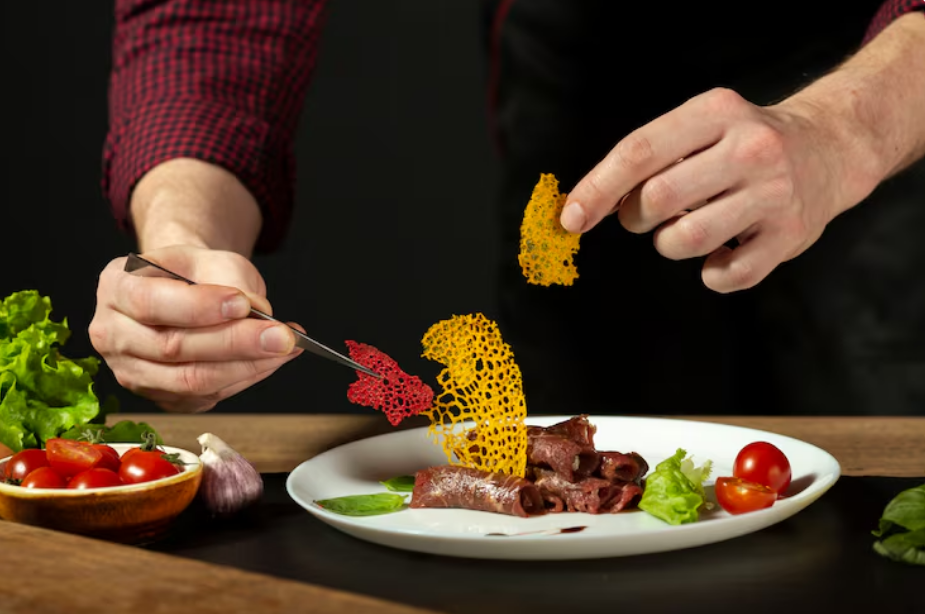
A delicious meal begins with flavor, but the first thing we experience is usually its appearance. Before taking a bite, we notice the colors, shapes, arrangement, and overall presentation of the food. This is why professional chefs devote so much attention to plating.
The good news is that restaurant-style presentation does not require professional culinary training or expensive equipment. With a few thoughtful techniques, anyone can transform an ordinary home-cooked meal into something that looks polished, inviting, and memorable.
Why Food Presentation Matters
Food presentation influences how we perceive a meal before we even taste it. A carefully arranged plate can make ingredients appear fresher, flavors seem more exciting, and the entire dining experience feel more special.
Restaurants understand this well. Instead of simply placing food on a plate, chefs consider balance, color, texture, height, and empty space.
At home, applying the same principles can elevate everything from a simple pasta dinner to grilled chicken, salads, desserts, or even breakfast.
The goal is not to make food unnecessarily complicated. Good plating should highlight the meal rather than distract from it.
Start With the Right Plate
The plate acts like a canvas for the food.
Professional kitchens often use simple plates because neutral backgrounds allow the ingredients to stand out. White plates remain popular because colorful vegetables, sauces, meats, and garnishes create strong visual contrast against them.
However, darker or textured plates can also work beautifully depending on the dish.
Plate size matters as well. If the plate is too small, the food can look crowded. If it is extremely large, the portion may appear too small.
Choose a plate that gives the ingredients enough breathing room while keeping the meal visually connected.
Think About Color
Color is one of the easiest ways to make food more attractive.
A plate containing only beige or brown foods can look dull even if the meal tastes wonderful. Adding colorful ingredients creates immediate visual interest.
For example, grilled chicken and mashed potatoes can become much more appealing with roasted carrots, green beans, fresh herbs, or a vibrant sauce.
Natural ingredients offer plenty of color choices:
- Green herbs and vegetables
- Red tomatoes and peppers
- Orange carrots and squash
- Purple cabbage or beetroot
- Yellow corn, peppers, or citrus
Try to include two or three contrasting colors whenever possible.
Create a Focal Point
Every well-plated dish should have something that attracts the eye first.
Usually, the main protein or central ingredient becomes the focal point. Instead of hiding it underneath other ingredients, position it where it can be clearly seen.
For example, sliced steak can be arranged slightly overlapping across a small portion of vegetables. Grilled fish might sit beside a colorful puree rather than being completely covered with sauce.
Once the focal point is established, supporting ingredients can be arranged around it.
Use Height to Add Dimension
Flat plates often look less interesting than dishes with some vertical structure.
Creating height does not mean building enormous towers of food. Small changes can make a noticeable difference.
Mashed potatoes, rice, couscous, or vegetables can form a base for meat or fish. Ingredients can also be carefully layered rather than spread evenly across the entire plate.
For example, placing grilled chicken over a small mound of mashed potatoes creates more visual depth than positioning everything separately in flat sections.
Height gives the plate movement and makes the presentation feel more intentional.
Leave Some Empty Space
One of the most common home-plating mistakes is filling every part of the plate.
Professional plating often uses negative space—the empty areas around the food—to make individual ingredients stand out.
Instead of spreading everything across the entire surface, concentrate the meal within a defined area.
Empty space creates contrast and keeps the plate from appearing overcrowded.
Of course, this does not mean serving tiny restaurant portions. You can still provide satisfying meals while maintaining an organized presentation.
Arrange Food With Purpose
Avoid simply dropping ingredients onto the plate.
Before plating, consider where each component should go.
One popular approach is imagining the plate as a clock. Traditionally, the main protein might sit between 3 and 9 o’clock, vegetables near 10 or 11 o’clock, and starch near 1 or 2 o’clock.
Modern plating is much more flexible, but the clock method can help beginners understand balance.
Another option is placing the main ingredient slightly off-center and arranging smaller components around it.
Asymmetrical plating often feels more modern and relaxed than perfectly symmetrical arrangements.
Make Sauces Part of the Design
Sauces do more than add flavor. They can also become an important visual element.
Instead of pouring sauce over the entire dish, experiment with more controlled techniques.
You might:
- Spoon sauce underneath the main ingredient.
- Create a small pool beside the food.
- Drizzle sauce carefully around the plate.
- Use the back of a spoon to create a smooth swipe.
- Add several small dots of sauce for a modern presentation.
The key is moderation. Sauce should enhance the meal rather than overwhelm the plate.
Add Texture
Great dishes often include a combination of textures.
A creamy puree becomes more interesting when paired with something crispy. Soft roasted vegetables can benefit from toasted nuts or seeds. A smooth dessert may look and taste better with cookie crumbs or fresh fruit.
Consider combining elements such as creamy, crunchy, crispy, soft, and fresh ingredients.
Texture improves both presentation and the eating experience.
Use Garnishes Carefully
Garnishes can instantly improve a plate when used correctly.
Fresh herbs are among the easiest options. Parsley, basil, coriander, mint, chives, and microgreens can add color and freshness.
Other useful garnishes include citrus zest, toasted seeds, chopped nuts, edible flowers, grated cheese, or finely sliced vegetables.
However, every garnish should ideally contribute something to the dish.
Adding decorative ingredients that do not match the flavors can make the presentation feel forced.
A simple rule is to garnish with ingredients that could naturally belong in the recipe.
Keep the Plate Clean
One small detail separates casual plating from polished restaurant presentation: clean edges.
While arranging food, sauces and crumbs can easily land around the rim of the plate.
Before serving, use a clean cloth or paper towel to carefully wipe away unwanted marks.
This takes only a few seconds but immediately makes the finished dish look more professional.
Practice With Everyday Meals
You do not need a special dinner party to practice plating.
Try improving the presentation of meals you already prepare.
For breakfast, arrange pancakes in a small stack and add berries and fruit beside them instead of scattering everything randomly.
For pasta, use tongs to twist noodles into a neat mound before adding sauce, cheese, and herbs.
For rice dishes, use a small bowl or cup as a mold to create a clean shape.
Even sandwiches can look more attractive when sliced carefully and served with colorful salad or vegetables.
Small changes quickly become habits.
Restaurant-Style Plating Is About Simplicity
Some of the most attractive restaurant dishes are surprisingly simple.
Instead of adding more ingredients, professional presentation often involves removing unnecessary elements and arranging the remaining components carefully.
The goal should always be to make the food look appetizing while keeping the presentation natural.
Perfect symmetry is not necessary. Neither are expensive plates, tweezers, squeeze bottles, or professional culinary tools.
Attention to color, balance, texture, spacing, and cleanliness can create impressive results using ordinary kitchen equipment.
Final Thoughts
The art of plating is ultimately about giving your cooking the presentation it deserves. When you’ve spent time preparing a delicious meal, a few additional moments arranging it thoughtfully can completely change the dining experience.
Start with simple techniques: choose an appropriate plate, use contrasting colors, create a focal point, add a little height, leave some empty space, and finish with a purposeful garnish.
As you experiment, you’ll develop your own presentation style.
Restaurant-quality food is not defined only by complicated recipes or expensive ingredients. Sometimes the difference between an ordinary home dinner and a dish that feels restaurant-worthy is simply how beautifully it arrives at the table.
Read more : Micro-Adventures: Finding Exploration Close to Home
Conversation