
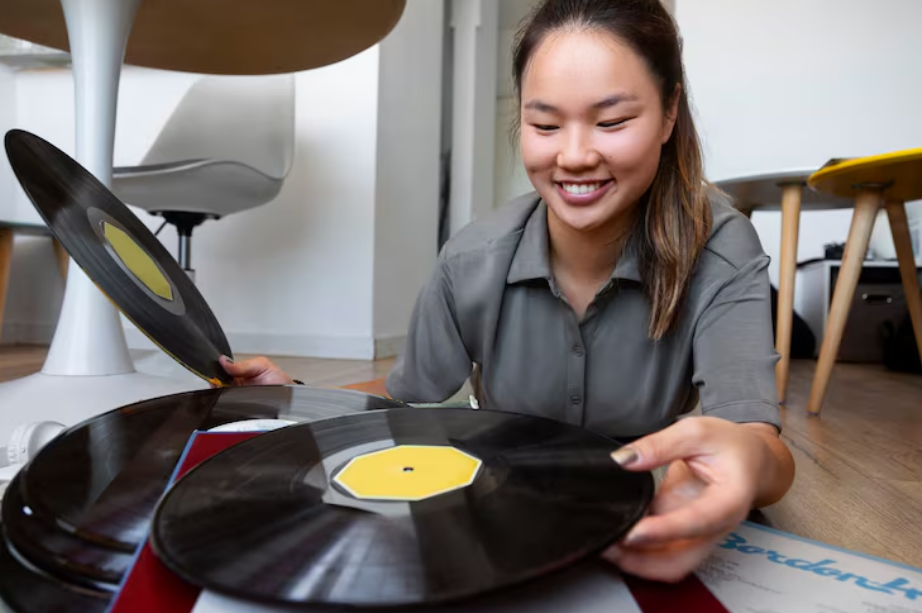
Streaming has transformed the way people consume music. Millions of songs can now be accessed instantly from a smartphone, laptop, or smart speaker without purchasing a single album. Yet despite this convenience, vinyl records have made an extraordinary comeback. Record stores are attracting new customers, artists continue releasing special-edition LPs, and younger listeners are building collections of albums produced decades before they were born.
The vinyl revival is more than a temporary nostalgia trend. It reflects a broader desire for ownership, tangible experiences, meaningful collections, and deeper connections with music. In a world increasingly dominated by subscriptions and digital files, physical media continues to offer something that digital platforms cannot completely replace.
Music You Can Actually Own
One of the strongest attractions of vinyl is the simple idea of ownership. When someone buys a record, it becomes a permanent part of their collection. It can be stored, displayed, played repeatedly, shared with friends, or even sold years later.
Streaming works differently. Listeners usually pay for access rather than ownership. Songs and albums may occasionally disappear because of licensing agreements, regional restrictions, or changes in a platform’s catalog.
Physical media gives listeners greater control. A vinyl record does not require an internet connection, subscription payment, software update, or active account. As long as someone has a working turntable, the music remains available.
This sense of permanent ownership has become increasingly attractive as entertainment shifts toward subscription-based services.
The Listening Experience Feels More Intentional
Streaming encourages speed and convenience. Listeners can skip tracks, shuffle playlists, search for another artist, or switch genres within seconds.
Vinyl creates a different experience.
Playing a record requires more participation. The listener removes the album from its sleeve, places it on the turntable, positions the stylus, and usually listens to several songs before flipping the record.
This process encourages people to experience albums as complete creative works instead of collections of individual tracks.
For many listeners, that slower approach makes music feel more meaningful. Instead of becoming background noise while endlessly scrolling through songs, an album can become the center of attention.
Album Artwork Matters Again
Physical albums also bring visual design back into the music experience.
A streaming thumbnail might be only a few centimeters wide on a phone screen. A vinyl sleeve, however, provides artists with a much larger creative canvas.
Album artwork can include photography, illustrations, typography, liner notes, lyrics, posters, booklets, and detailed packaging.
Collectors often appreciate these elements almost as much as the record itself.
Special editions may include colored vinyl, alternative artwork, gatefold sleeves, numbered pressings, or exclusive inserts. These details transform albums into physical objects that people can display and enjoy.
In this way, vinyl combines music, graphic design, photography, and collectible culture.
Nostalgia Plays a Powerful Role
Nostalgia is undoubtedly part of vinyl’s appeal.
Older listeners may associate records with childhood memories, family collections, favorite musicians, or the experience of visiting record stores. Playing an old album can recreate emotions connected to a specific period of life.
Interestingly, nostalgia also attracts younger generations who never experienced vinyl’s original era.
For them, records can represent a connection to earlier decades of music culture. Classic album covers, vintage turntables, and record shops offer an experience that feels different from modern digital entertainment.
Vinyl allows people to interact physically with music history rather than simply browsing it on a screen.
Collecting Turns Music Into a Hobby
Streaming gives listeners access to enormous libraries, but it offers relatively little opportunity for collecting.
Vinyl changes that.
Collectors may search for original pressings, limited editions, rare releases, colored records, signed copies, or albums from specific artists and labels.
Finding a long-sought record can feel rewarding because the search itself becomes part of the experience.
Record fairs, independent shops, online marketplaces, and collector communities have created an entire ecosystem around physical music.
A collection also tells a personal story. The albums someone chooses to keep can reflect musical taste, memorable periods of life, favorite artists, or discoveries made while traveling.
Digital playlists can do something similar, but a shelf filled with records provides a visible representation of those interests.
Artists Benefit From Physical Releases
Physical media remains valuable for musicians as well.
Vinyl releases can strengthen an artist’s brand and provide fans with something more meaningful than a digital stream.
Independent musicians frequently produce small vinyl runs, signed editions, or exclusive artwork to create stronger connections with supporters. Established artists often release multiple versions of albums designed specifically for collectors.
Physical merchandise can also become an important source of revenue, particularly when streaming payments alone may not provide substantial income for smaller artists.
For fans, purchasing a record can feel like a more direct way of supporting musicians they appreciate.
The Sound Has Its Own Character
Debates about whether vinyl sounds “better” than digital audio can become complicated because sound quality depends on mastering, equipment, pressing quality, speakers, and personal preference.
However, many listeners simply enjoy the character of vinyl playback.
Small imperfections, surface noise, analog equipment, and the interaction between the stylus and record can create a listening experience that feels distinctive.
Others appreciate the ritual more than any measurable difference in audio quality.
The important point is that vinyl creates a different relationship with sound. Listening becomes an activity rather than simply accessing a file.
Physical Media Offers a Break From Screens
Modern life involves constant interaction with screens. People work on computers, communicate through phones, watch streaming services, read digital news, and manage social media accounts throughout the day.
Physical media offers a small escape from that environment.
Listening to a record does not require notifications, recommendations, advertisements, or endless menus.
Someone can put on an album, sit down, and simply listen.
That simplicity has become surprisingly valuable in an increasingly connected world.
The same principle helps explain renewed interest in printed books, film cameras, CDs, cassette tapes, and other analog technologies.
These formats provide experiences that feel slower, more deliberate, and more physical.
Digital and Physical Media Can Coexist
The vinyl revival does not mean streaming is disappearing.
Most listeners who buy records probably also use digital platforms because streaming offers advantages that physical formats cannot match.
It is convenient for discovering new artists, creating playlists, listening while traveling, and accessing enormous music libraries instantly.
Vinyl serves a different purpose.
Streaming is often about access and convenience, while physical media is more closely connected with ownership, collecting, artwork, ritual, and emotional attachment.
The two formats can therefore complement each other rather than compete directly.
Someone might discover an artist through streaming and later purchase a favorite album on vinyl.
Why Physical Media Refuses to Disappear
Technology often replaces older formats because newer systems are faster, cheaper, or more convenient. However, convenience is not the only thing people value.
Vinyl records demonstrate that physical objects can maintain cultural significance even when digital alternatives dominate everyday consumption.
People still enjoy holding an album, examining its artwork, placing it on a turntable, and watching a personal collection grow over time.
These experiences cannot be fully reproduced by tapping a play button.
As entertainment becomes increasingly digital, physical media may actually feel more distinctive. Vinyl is no longer simply an outdated technology. It has become a deliberate alternative to instant digital consumption.
The vinyl revival ultimately reveals something important about how people experience culture. Access may be convenient, but ownership, ritual, design, nostalgia, and personal connection still matter.
That is why physical media continues to survive—and why the sound of a needle touching a record is unlikely to disappear anytime soon.
Read more : Fan Theories Gone Mainstream: When Fandom Shapes the Plot