
Museums have traditionally been places where visitors walk through quiet galleries, observe objects behind glass, and read information from printed labels. While this approach remains valuable, modern technology is changing the way people experience history, art, science, and culture. Interactive museums are increasingly using touchscreens, virtual reality, augmented reality, digital projections, and other technologies to make exhibitions more engaging.
Instead of simply looking at an artifact, visitors can now explore its history, rotate a digital model, hear related stories, watch animations, or even step inside a virtual recreation of another time and place. These innovations are helping museums become more accessible, memorable, and appealing to a wider audience.
Touchscreens Make Information Easier to Explore
Touchscreens are among the most common interactive technologies found in modern museums. They allow visitors to choose what information they want to explore instead of being limited to a short printed description.
For example, a touchscreen beside an archaeological object may allow visitors to view photographs of where it was discovered, explore a 3D reconstruction, read translations of ancient writing, or learn about the people who once used it.
This creates a more personalized experience. Someone interested in historical background can read detailed information, while another visitor may prefer videos, images, or interactive maps.
Touchscreens are also useful when museums have large collections but limited physical exhibition space. Hundreds or even thousands of objects can be presented digitally without requiring additional display cases.
Virtual Reality Creates Immersive Experiences
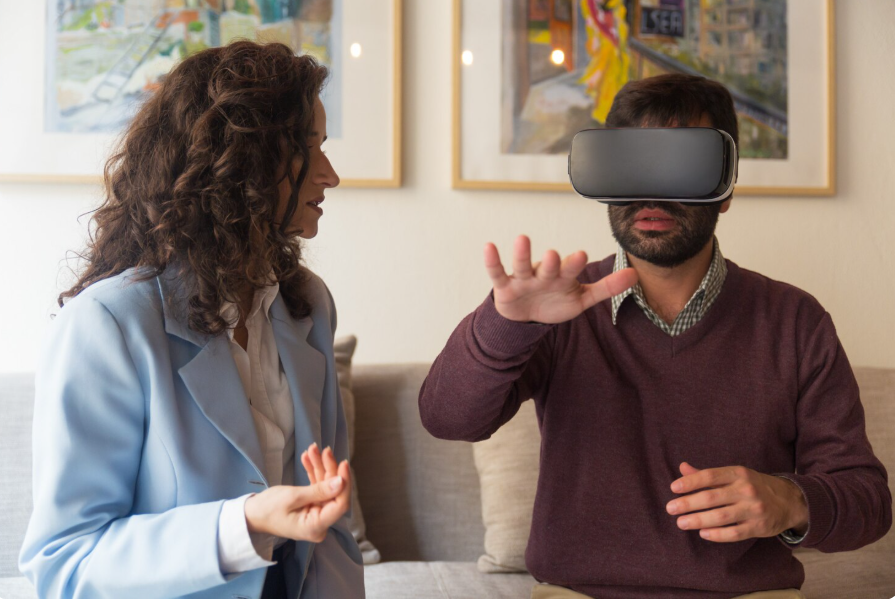
Virtual reality, commonly known as VR, is taking museum interaction even further. Using a VR headset, visitors can enter computer-generated environments that would otherwise be impossible to experience.
A history museum, for instance, might allow visitors to explore an ancient city as it appeared thousands of years ago. A natural history museum could recreate prehistoric landscapes filled with dinosaurs. Space museums can use VR to simulate walking on the Moon or exploring another planet.
These experiences can help visitors understand scale, environment, and historical context in ways that traditional displays may struggle to communicate.
Instead of simply reading about a Roman settlement, visitors might virtually walk through its streets. Rather than looking at photographs of a famous historical building, they could explore a digital reconstruction of the structure before it was damaged or destroyed.
Bringing Historical Objects Back to Life
Many museum objects are incomplete, fragile, or difficult to understand without additional context. Digital technology can help reconstruct how these objects may originally have looked or functioned.
A damaged sculpture, for example, could be digitally restored on a nearby screen. Visitors might use an interactive display to see how colors once appeared on an ancient statue.
Similarly, museums can create digital models of historical machinery and demonstrate how different parts moved without operating the fragile original.
This approach protects valuable collections while still allowing visitors to understand how objects worked in everyday life.
Making Museums More Engaging for Younger Visitors
One of the biggest benefits of interactive exhibitions is their ability to attract younger audiences.
Children who may lose interest when reading long information panels often respond positively to games, simulations, touchscreens, and interactive challenges. A science museum might allow children to build a virtual bridge and test whether it can support weight. A natural history exhibit could invite them to identify animals based on footprints or sounds.
Interactive learning encourages visitors to participate rather than simply observe.
When people make choices, solve problems, or control what happens on a screen, they often become more involved in the subject. This can make museum visits feel both educational and entertaining.
Augmented Reality Adds Digital Layers to Exhibits
Augmented reality, or AR, is another technology increasingly appearing in museums. Unlike virtual reality, which replaces the surrounding environment with a digital one, augmented reality places digital content over the real world.
Visitors may use a smartphone, tablet, or specialized device to point at an exhibit and see additional information.
For example, pointing a device at a dinosaur skeleton might display muscles and skin over the bones, showing what the animal could have looked like when alive. An art museum could use AR to reveal earlier versions of a painting discovered beneath the visible surface.
This allows museums to provide additional content without physically changing the exhibition.
Improving Accessibility
Interactive technology can also make museums more accessible to visitors with different needs.
Digital displays may offer adjustable text sizes, multiple languages, audio descriptions, subtitles, or sign-language videos. Visitors who cannot easily read small labels can enlarge information on screens.
Virtual exhibits may also allow people to explore locations that would otherwise be physically difficult to access.
For example, a digital reconstruction could give visitors the experience of exploring a historic tower, archaeological site, or underground structure without requiring them to navigate stairs or uneven surfaces.
Museums can therefore use technology not only to make exhibits more exciting but also to make cultural knowledge available to more people.
Creating Personalized Museum Visits
Traditional exhibitions usually present information in the same way to every visitor. Interactive technology allows museums to create more personalized experiences.
Visitors might select their preferred language, age group, or level of detail when using an interactive display. Some museum apps can recommend exhibits based on a person’s interests or provide customized tours.
A visitor interested primarily in art techniques might receive different information from someone interested in the social history behind the same artwork.
Personalization can make large museums easier to navigate while helping visitors focus on subjects that interest them most.
The Importance of Balancing Technology and Real Objects
Although technology offers many advantages, museums must carefully balance digital experiences with their original collections.
Visitors often come to museums because they want to see authentic objects, artworks, fossils, documents, and historical artifacts. Too many screens or digital attractions could distract from the items themselves.
Technology works best when it supports the story behind an exhibit rather than becoming the main attraction.
A virtual reconstruction can help explain an ancient building, but seeing an original artifact from that building still provides a unique sense of connection with history.
Successful interactive museums therefore use technology as a tool for interpretation rather than a replacement for authentic collections.
Challenges of Interactive Museum Technology
Creating interactive exhibitions can also involve challenges. VR equipment, large touchscreens, sensors, and software can be expensive to install and maintain.
Technology can quickly become outdated, requiring museums to regularly update both hardware and software. Broken screens or malfunctioning VR equipment can also negatively affect the visitor experience.
Museums must also consider hygiene, especially when hundreds of people use the same touchscreens or headsets every day.
Good exhibition design requires museums to think about reliability, accessibility, maintenance, and long-term costs before introducing new technologies.
The Future of Museum Experiences
Interactive museum technology will likely continue evolving. Artificial intelligence, mixed reality, holographic displays, motion tracking, and advanced digital storytelling could create even more personalized exhibitions.
Future visitors may be able to have conversations with AI-powered historical characters, explore highly realistic virtual environments, or receive exhibit recommendations based on their interests.
Museums may also develop stronger connections between physical and online experiences. People could explore digital collections before visiting and then continue learning through interactive content after returning home.
Conclusion
Touchscreens, virtual reality, augmented reality, and other interactive technologies are transforming museums from spaces focused
Read More: The Role of AI in Art Authentication: Spotting Fakes with Algorithms
Conversation